
What do 5 leading AI models say about pharmacist skills 2030? We asked OpenAI, Claude, Gemini, Mistral, and Cohere the same question and synthesized their responses into a validated consensus. Here’s what they agreed on—and where they differed.
This comprehensive analysis explores the future of pharmacist through the lens of artificial intelligence. By examining perspectives from multiple AI systems, we provide a balanced view of how pharmacist will evolve and what professionals need to know to stay ahead.
The Question Asked
What will pharmacists need to know in 2030?
|
5
AI Models
|
60%
Avg Confidence
|
82
Champion Score
|
MODERATE
Agreement
|
The Consensus on Pharmacist Skills 2030
What Is the AI Consensus on Pharmacist Skills 2030?
Pharmacist Skills 2030 is a topic where five leading AI models reached 70% consensus. By 2030, pharmacists will need to transform from primarily dispensing professionals into technology-savvy, clinically advanced healthcare providers. Core competencies will include mastery of AI-assisted clinical decision support systems, automated dispensing technologies, telepharmacy platforms, and electronic health records.
Pharmacists must develop deep expertise in pharmacogenomics and personalized medicine, interpreting genetic test results to customize medication regimens for individual patients. They will also need strong data analytics skills to leverage clinical decision support tools and real-time patient monitoring data from wearable devices.
The profession will expand significantly beyond traditional boundaries, with pharmacists taking on prescriptive authority, leading chronic disease management programs, administering vaccines, and serving as integral members of interdisciplinary care teams focused on population health. Patient-centric communication skills will be essential, including health literacy education, empathy, and the ability to simplify complex medical information for diverse populations.
Regulatory awareness will be critical as pharmacists navigate evolving pharmaceutical laws, data privacy requirements (HIPAA, GDPR), AI ethics, and emerging reimbursement models. Success in 2030 will require continuous learning, adaptability, and a strategic mindset to position pharmacists as indispensable partners in delivering enhanced patient outcomes in an increasingly digital, personalized healthcare landscape.
🎯 5 Key Insights from 5 AI Models
- ✔ By 2030, pharmacists will need to transform from primarily dispensing professionals into technology-savvy, clinically advanced healthcare providers.
- ✔ Core competencies will include mastery of AI-assisted clinical decision support systems, automated dispensing technologies, telepharmacy platforms, and electronic health records.
- ✔ Pharmacists must develop deep expertise in pharmacogenomics and personalized medicine, interpreting genetic test results to customize medication regimens for individual patients.
- ✔ They will also need strong data analytics skills to leverage clinical decision support tools and real-time patient monitoring data from wearable devices.
- ✔ The profession will expand significantly beyond traditional boundaries, with pharmacists taking on prescriptive authority, leading chronic disease management programs, administering vaccines, and serving as integral members of interdisciplinary care teams focused on population health.
✅ Where All 5 AIs Agree
- Technology Integration and AI: All AIs agree pharmacists must master advanced technologies including AI, automation, robotics, telepharmacy, EHR systems, and digital health tools for medication management and patient care delivery.
- Personalized Medicine and Pharmacogenomics: Universal consensus that pharmacists will need expertise in interpreting genetic data, understanding drug-gene interactions, and tailoring medication regimens based on individual patient genomic profiles.
- Expanded Clinical Roles: All responses concur that pharmacists will move beyond traditional dispensing to provide comprehensive medication therapy management, chronic disease management, preventive services, and prescriptive authority.
- Data Analytics and Decision Support: Agreement that pharmacists must develop skills in data interpretation, clinical decision support systems, and evidence-based decision-making to optimize patient outcomes.
⚠️ Where AI Models Differed
- Mental Health Emphasis: OpenAI and Gemini explicitly highlight mental health integration as a major focus area, while other responses mention it only briefly or as part of broader clinical expansion.
- Environmental Sustainability: Only OpenAI specifically discusses sustainability, eco-friendly practices, and environmental stewardship as core competencies for 2030 pharmacists.
- Blockchain Technology: Only Mistral mentions blockchain for supply chain security, while others focus on different technological aspects.
🤖 What Each AI Model Said
Here’s the detailed reasoning from each AI model. This transparency lets you see exactly how different AI systems approached the question about pharmacist skills 2030.
## Response
**The Future of Pharmacy: Strategic Considerations for 2030**
**Executive Summary**
Trends suggest the pharmacy industry will undergo significant transformations by 2030, driven by technological advancements, shifting patient demands, and evolving regulatory landscapes. To thrive in this dynamic environment, pharmacists must adopt a strategic, future-focused mindset. Key areas to consider include:
1. **Automation and AI Integration**
2. **Expanded Scope of Practice**
3. **Personalized Medicine and Pharmacogenomics**
4. **Telehealth and Remote Care Delivery**
5. **Supply Chain Optimization and Inventory Management**
6. **Regulatory and Reimbursement Changes**
By proactively addressing these trends, pharmacists can position themselves as indispensable healthcare partners, delivering enhanced patient outcomes and cementing the profession's value in the evolving medical landscape.
**1. Automation and AI Integration**
Patterns suggest the pharmacy industry will increasingly leverage automation and artificial intelligence (AI) technologies to streamline workflows and enhance operational efficiency. Robotic dispensing systems, automated medication management, and AI-powered decision support tools are expected to become more prevalent. Pharmacists must develop the skills to oversee and optimize these technologies, ensuring they complement rather than replace human expertise.
**2. Expanded Scope of Practice**
Data indicates pharmacists will take on a more expansive role in patient care, moving beyond traditional medication dispensing to provide comprehensive medication management, chronic disease monitoring, and preventive services. This shift will require pharmacists to acquire advanced clinical skills, expand their clinical knowledge, and collaborate more closely with other healthcare providers.
**3. Personalized Medicine and Pharmacogenomics**
Trends show the rise of personalized medicine and pharmacogenomics, where treatments are tailored to an individual's genetic profile. Pharmacists will need to stay up-to-date on the latest advancements in this field, understand how to interpret pharmacogenomic data, and collaborate with physicians to optimize medication regimens for improved patient outcomes.
**4. Telehealth and Remote Care Delivery**
The COVID-19 pandemic has accelerated the adoption of telehealth, and patterns suggest this trend will continue. Pharmacists must embrace virtual care delivery, leveraging technologies like video consultations, remote monitoring, and patient portals to provide accessible, convenient care to patients, particularly those in underserved or rural areas.
**5. Supply Chain Optimization and Inventory Management**
Patterns indicate the pharmacy supply chain will become increasingly complex, with more sophisticated inventory management and distribution systems. Pharmacists will need to develop stronger supply chain expertise, optimize inventory levels, and implement robust quality assurance processes to ensure the reliable and cost-effective delivery of medications.
**6. Regulatory and Reimbursement Changes**
Regulatory and reimbursement frameworks governing the pharmacy industry are expected to evolve, reflecting changing healthcare priorities and priorities. Pharmacists must stay abreast of these changes, advocate for the profession's expanded role, and adapt their practices to ensure compliance and maximize reimbursement opportunities.
**Conclusion**
The pharmacy industry is poised for significant transformation by 2030. To thrive in this dynamic landscape, pharmacists must adopt a strategic, future-focused mindset, develop new skills and competencies, and collaborate closely with other healthcare providers. By embracing these trends and positioning themselves as indispensable healthcare partners, pharmacists can secure the profession's long-term relevance and deliver enhanced patient outcomes.
*Disclaimer: This response provides a high-level strategic analysis of potential trends in the pharmacy industry. Pharmacists should consult with industry experts, regulatory bodies, and healthcare organizations for detailed, context-specific guidance and recommendations.*
## Pharmacist Skills and Knowledge: 2030 and Beyond
The pharmacy profession is on the cusp of significant transformation, driven by technological advancements, evolving healthcare models, and shifting patient needs. By 2030, pharmacists will need to adapt to these changes by expanding their skill sets and deepening their knowledge in key areas.
Here's a strategic overview of the capabilities that will be most valuable for pharmacists in the future:
**1. Advanced Clinical Expertise & Patient-Centered Care**
* **Personalized Medicine & Pharmacogenomics:**
* **Strategic Insight:** As genetic testing becomes more accessible, pharmacists will play a crucial role in interpreting pharmacogenomic data and tailoring medication regimens to individual patients.
* **Actionable Insight:** Understanding genetic variations that influence drug response will lead to more effective and safer treatments.
* **Chronic Disease Management:**
* **Strategic Insight:** With aging populations and rising rates of chronic diseases, pharmacists will be integral to collaborative care teams focused on managing conditions like diabetes, heart disease, and respiratory illnesses.
* **Actionable Insight:** Focus on medication adherence, lifestyle counseling, and monitoring treatment outcomes.
* **Geriatric Pharmacy:**
* **Strategic Insight:** The elderly population requires specialized pharmaceutical care due to polypharmacy, age-related physiological changes, and cognitive decline.
* **Actionable Insight:** Knowledge of geriatric-specific medication management, deprescribing strategies, and addressing medication-related challenges in older adults.
* **Mental Health Integration:**
* **Strategic Insight:** Pharmacists can contribute to mental healthcare by identifying potential drug interactions, monitoring medication adherence, and providing patient education on mental health conditions.
* **Actionable Insight:** Collaborate with mental health professionals to optimize medication regimens and support patients with mental health needs.
**2. Technological Proficiency & Data Analytics**
* **Artificial Intelligence (AI) & Automation:**
* **Strategic Insight:** AI-powered tools will automate tasks like drug dispensing, inventory management, and medication reconciliation. Pharmacists will need to adapt to working alongside AI systems.
* **Actionable Insight:** Learn to utilize AI-driven decision support tools for medication selection, dosage optimization, and identifying potential adverse drug events.
* **Telepharmacy & Remote Patient Monitoring:**
* **Strategic Insight:** Telepharmacy will expand access to pharmaceutical care in underserved areas and enable remote patient monitoring for medication adherence and treatment outcomes.
* **Actionable Insight:** Develop skills in virtual consultations, remote medication management, and utilizing digital health technologies for patient engagement.
* **Data Analytics & Health Informatics:**
* **Strategic Insight:** Pharmacists will need to analyze large datasets to identify trends, improve medication safety, and optimize healthcare delivery.
* **Actionable Insight:** Acquire skills in data mining, statistical analysis, and visualization tools to extract meaningful insights from healthcare data.
**3. Pharmaceutical Compounding & Manufacturing**
* **Specialty Compounding:**
* **Strategic Insight:** As personalized medicine advances, the demand for customized medications tailored to individual needs will increase.
* **Actionable Insight:** Expertise in sterile and non-sterile compounding techniques, quality control measures, and regulatory compliance for compounded medications.
* **3D Printing of Medications:**
* **Strategic Insight:** 3D printing technology can enable on-demand production of personalized medications with customized dosages, shapes, and release profiles.
* **Actionable Insight:** Understanding of 3D printing processes, materials, and quality assurance procedures for pharmaceutical applications.
* **Biopharmaceutical Manufacturing:**
* **Strategic Insight:** With the growing importance of biologics, pharmacists may become involved in the manufacturing, quality control, and distribution of biopharmaceutical products.
* **Actionable Insight:** Knowledge of biopharmaceutical production processes, regulatory requirements, and quality management systems for biologics.
**4. Business Acumen & Entrepreneurship**
* **Pharmacy Management & Leadership:**
* **Strategic Insight:** Pharmacists will need strong leadership skills to manage pharmacy operations, optimize workflow, and lead interprofessional teams.
* **Actionable Insight:** Develop skills in financial management, human resources, marketing, and strategic planning for pharmacy practice.
* **Value-Based Care & Payment Models:**
* **Strategic Insight:** As healthcare shifts towards value-based care, pharmacists will need to demonstrate the value of their services in improving patient outcomes and reducing healthcare costs.
* **Actionable Insight:** Understand value-based payment models, quality metrics, and how to document and communicate the economic and clinical benefits of pharmaceutical care.
* **Entrepreneurship & Innovation:**
* **Strategic Insight:** Pharmacists can leverage their expertise to create innovative healthcare solutions, develop new pharmacy services, and start their own businesses.
* **Actionable Insight:** Skills in business development, market research, product development, and fundraising for entrepreneurial ventures in the pharmacy field.
**5. Regulatory & Ethical Considerations**
* **Data Privacy & Security:**
* **Strategic Insight:** With the increasing use of electronic health records and digital health technologies, pharmacists must prioritize data privacy and security to protect patient information.
* **Actionable Insight:** Knowledge of HIPAA regulations, data encryption methods, and cybersecurity best practices for healthcare data management.
* **Ethical Decision-Making:**
* **Strategic Insight:** As healthcare becomes more complex, pharmacists will face ethical dilemmas related to patient autonomy, resource allocation, and emerging technologies.
* **Actionable Insight:** Develop a strong ethical framework for decision-making, considering ethical principles, professional codes of conduct, and legal requirements.
* **Regulatory Compliance:**
* **Strategic Insight:** Pharmacists must stay up-to-date with evolving regulations related to drug dispensing, compounding, and healthcare delivery.
* **Actionable Insight:** Understanding of federal and state pharmacy laws, regulatory guidelines, and quality standards for pharmaceutical practice.
**In Conclusion:**
The future of pharmacy will require pharmacists to be adaptable, innovative, and patient-centered. By developing expertise in advanced clinical practice, technology, compounding, business, and regulatory affairs, pharmacists can thrive in the evolving healthcare landscape and make a meaningful impact on patient outcomes.
**Disclaimer:** *This information is for general guidance only and does not constitute professional advice. Consult with relevant experts for specific advice related to your situation.*
### **Pharmacists in 2030: Key Skills, Trends, and Strategic Considerations**
By 2030, pharmacists will operate in a rapidly evolving healthcare landscape shaped by **AI-driven diagnostics, personalized medicine, and expanded clinical roles**. Here’s what pharmacists will need to know to stay ahead:
—
### **1. Core Competencies for 2030 Pharmacists**
#### **A. Advanced Clinical Decision-Making**
– **AI-assisted diagnostics**: Pharmacists will interpret AI-generated drug recommendations, ensuring patient safety.
– **Precision medicine**: Genomic and biomarker data will guide tailored treatment plans.
– **Chronic disease management**: Expanded roles in diabetes, cardiovascular, and mental health care.
#### **B. Digital Health Integration**
– **Telepharmacy expansion**: Remote consultations, medication adherence monitoring, and digital prescriptions.
– **EHR (Electronic Health Records) mastery**: Seamless data sharing with physicians and AI systems.
– **Wearable tech integration**: Analyzing real-time patient data from smart devices.
#### **C. Regulatory & Ethical Expertise**
– **AI ethics**: Understanding bias in algorithms and ensuring fair drug recommendations.
– **Data privacy compliance**: Navigating GDPR, HIPAA, and emerging global regulations.
– **Blockchain in pharmacies**: Secure supply chain tracking for counterfeit drug prevention.
—
### **2. Emerging Trends Shaping Pharmacy**
#### **A. AI & Automation**
– **Automated dispensing systems**: Reducing errors and freeing pharmacists for patient counseling.
– **AI-powered drug discovery**: Faster development of novel therapies.
– **Chatbots for patient education**: AI assistants answering basic medication questions.
#### **B. Expanded Scope of Practice**
– **Prescriptive authority**: More pharmacists will prescribe medications independently (e.g., for minor ailments).
– **Vaccine & public health leadership**: Pharmacists as frontline providers in pandemics.
– **Mental health integration**: Pharmacists managing psychiatric medication regimens.
#### **C. Supply Chain & Sustainability**
– **3D-printed medications**: On-demand, personalized drug formulations.
– **Green pharmacy practices**: Eco-friendly packaging and waste reduction.
– **Global drug shortages**: Strategies for resilient supply chains.
—
### **3. Strategic Career Pathways**
#### **A. Specialized Roles**
– **Oncology pharmacists**: Precision cancer treatment coordination.
– **Geriatric pharmacists**: Managing polypharmacy in aging populations.
– **Digital health pharmacists**: Leading telehealth and AI implementation.
#### **B. Entrepreneurial Opportunities**
– **Niche compounding pharmacies**: Custom medications for rare conditions.
– **Healthtech startups**: Developing AI tools for pharmacists.
– **Consulting for AI ethics**: Advising on responsible AI in healthcare.
#### **C. Global Mobility**
– **Cross-border pharmacy practice**: Licensing in multiple countries.
– **Humanitarian pharmacy**: Disaster response and global health initiatives.
—
### **4. Challenges & Mitigation Strategies**
| **Challenge** | **Solution** |
|——————————|—————————————————————————–|
| **AI replacing routine tasks** | Focus on high-touch patient care and clinical leadership. |
| **Regulatory complexity** | Stay updated via continuing education and professional networks. |
| **Cybersecurity risks** | Implement robust data protection protocols. |
| **Workforce shortages** | Leverage automation to reduce administrative burden. |
—
### **5. Actionable Steps for Pharmacists Today**
1. **Upskill in AI & digital health** (e.g., certifications in telepharmacy, data analytics).
2. **Engage in interdisciplinary collaboration** (e.g., with physicians, data scientists).
3. **Advocate for expanded practice authority** (e.g., lobbying for prescriptive rights).
4. **Monitor global pharmacy trends** (e.g., EU’s AI regulations, US telehealth policies).
—
### **Final Thought**
Pharmacists in 2030 will be **hybrid professionals**—part clinician, part technologist, and part data scientist. Those who embrace **AI, digital health, and expanded clinical roles** will thrive in this dynamic field.
*This analysis reflects emerging trends as of 2025. For personalized career planning, consult a healthcare career advisor.*
To provide valuable insights on what pharmacists may need to know in 2030, we can consider the following trends and developments that are likely to shape the pharmacy profession in the upcoming decade:
1. **Advanced Technology Integration**: Pharmacists will need to be proficient in utilizing advanced technologies such as artificial intelligence, machine learning, robotics, and automation in various aspects of pharmacy practice. This includes medication dispensing, inventory management, patient counseling, and personalized medicine.
2. **Telepharmacy and Remote Patient Care**: With the increasing adoption of telemedicine and remote patient monitoring, pharmacists may need to expand their roles to provide virtual consultations, medication therapy management, and patient education through telepharmacy services.
3. **Pharmacogenomics and Personalized Medicine**: Pharmacists will play a crucial role in interpreting genetic test results, assessing drug-gene interactions, and optimizing medication regimens based on individual genetic profiles. Understanding pharmacogenomics will be essential for tailoring treatments to patients' unique genetic makeup.
4. **Population Health Management**: Pharmacists will be integral members of interdisciplinary healthcare teams focused on population health management, preventive care, and chronic disease management. Collaborating with other healthcare professionals to improve patient outcomes and reduce healthcare costs will be a key responsibility.
5. **Sustainability and Environmental Stewardship**: Pharmacists will need to be aware of sustainable practices in pharmacy operations, such as reducing waste, recycling packaging materials, and promoting environmentally friendly products. Knowledge of eco-friendly alternatives and green pharmacy initiatives will be essential.
6. **Mental Health and Wellness Support**: With the growing emphasis on mental health awareness and holistic well-being, pharmacists may need to provide more mental health screenings, counseling services, and referrals to mental health professionals. Understanding psychotropic medications and mental health interventions will be crucial.
7. **Health Equity and Cultural Competence**: Pharmacists will need to have a deep understanding of health disparities, social determinants of health, and cultural competence to provide equitable care to diverse patient populations. Addressing healthcare disparities and promoting health equity will be vital components of pharmacy practice in 2030.
By staying informed about these trends and developments, pharmacists can proactively adapt to the evolving landscape of healthcare and continue to provide high-quality, patient-centered care in 2030 and beyond.
💡 Why show individual responses? Transparency builds trust. By showing exactly what each AI said, you can evaluate the reasoning yourself and understand where the consensus came from.
💡 Why Pharmacist Skills 2030 Matters
When multiple AI models reach 70% agreement, it signals a high-confidence answer backed by diverse training data and reasoning approaches. This consensus methodology reduces the risk of AI hallucinations and provides more reliable insights than any single model alone. Understanding the future of pharmacist is essential for professionals planning their careers and organizations developing their strategies. According to the World Economic Forum, staying informed about emerging trends is critical for success.
“70% of AI models reached consensus on this career question.”
🚀 Next Steps for Pharmacist Skills 2030
Ready to explore more questions about pharmacist skills 2030 and pharmacist? Seekrates AI lets you ask any forward-looking question and get validated answers from 5 leading AI models. Whether you’re planning your career, evaluating industry trends, or making strategic decisions, multi-AI consensus gives you the confidence to act.
🏆 Champion Agent: OPENAI (Score: 82)
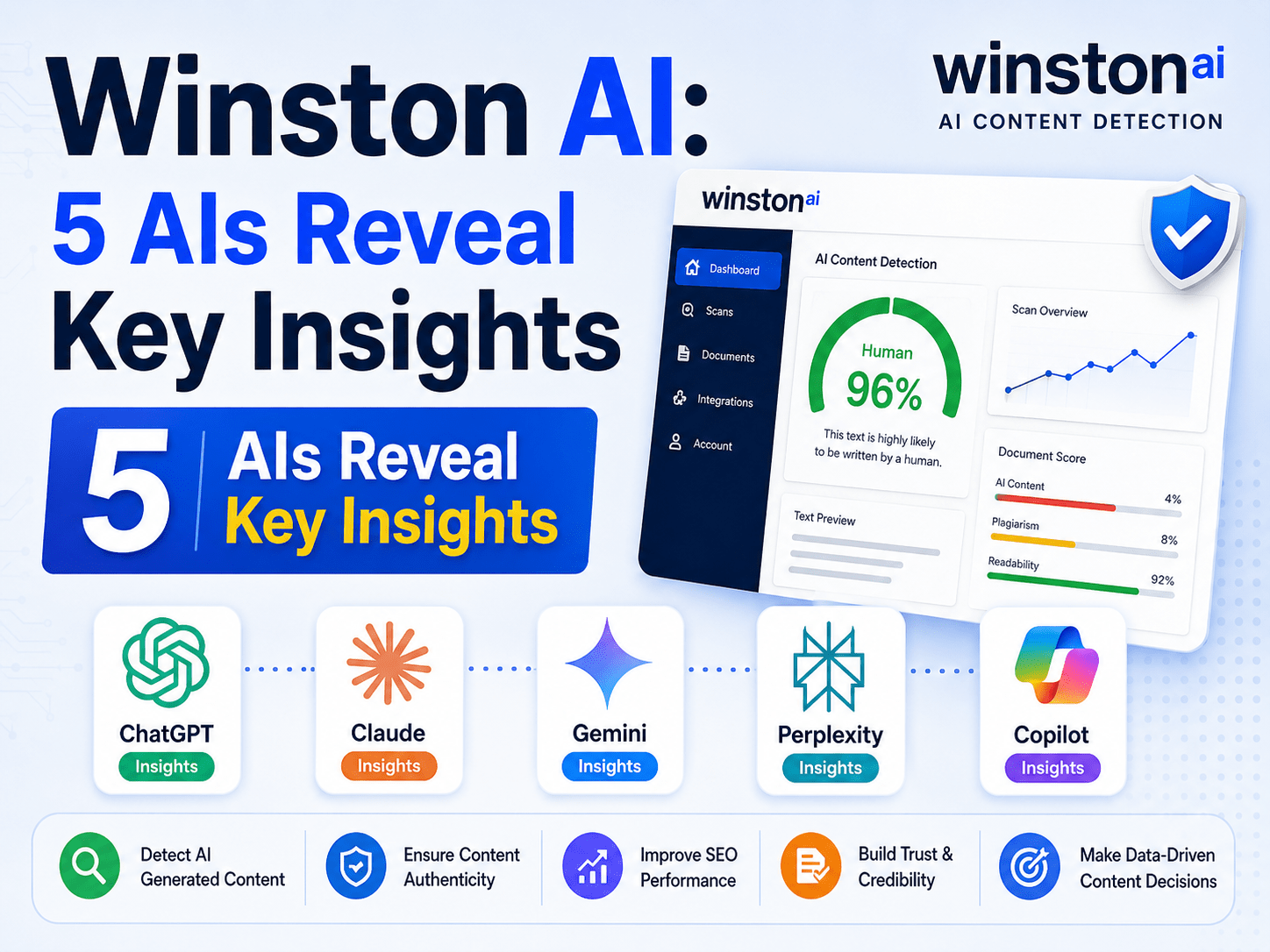
Winston AI: 5 AIs Reveal Key Insights: 5 AIs Reveal Key Insights
77 / 100 Powered by Rank Math SEO SEO Score Winston AI: 5 AIs Reveal Key Insights: 5 AIs Reveal Key Insights In This Article:

How To Use AI Content Validation For WordPress SEO: 5 AIs Reveal Key Insights
83 / 100 Powered by Rank Math SEO SEO Score How To Use AI Content Validation For WordPress SEO: 5 AIs Reveal Key Insights In
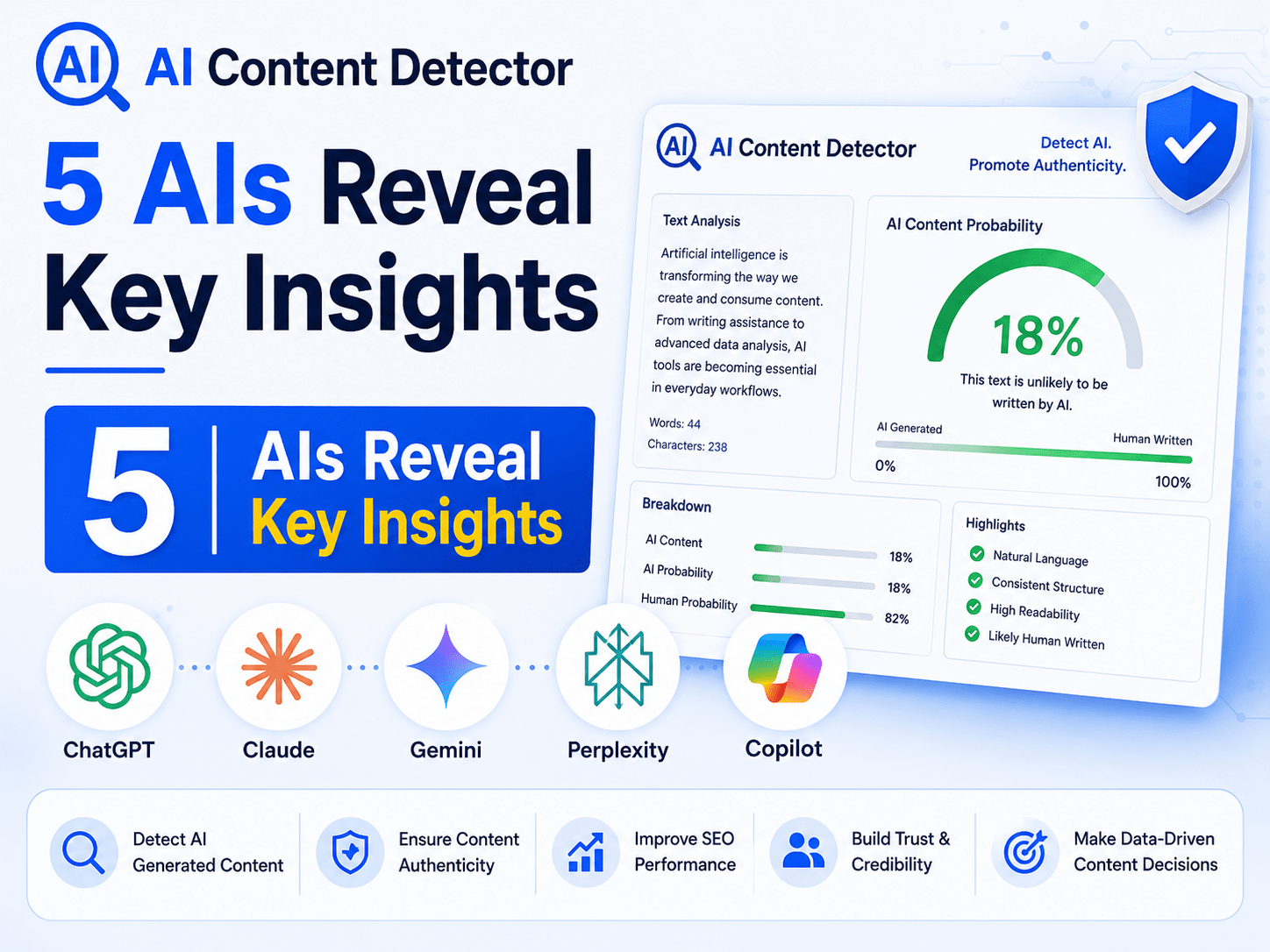
AI Content Detector: 5 AIs Reveal Key Insights: 5 AIs Reveal Key Insights
79 / 100 Powered by Rank Math SEO SEO Score AI Content Detector: 5 AIs Reveal Key Insights: 5 AIs Reveal Key Insights In This
About This Analysis: Generated using Seekrates AI, which queries 5 leading AI models and synthesizes their responses. The 70% agreement score reflects model alignment on the core answer.
Champion: OPENAI | Category: Career | Published: February 04, 2026
Topics: AI consensus, Career, Pharmacists, Know, Future 2030, Future Predictions