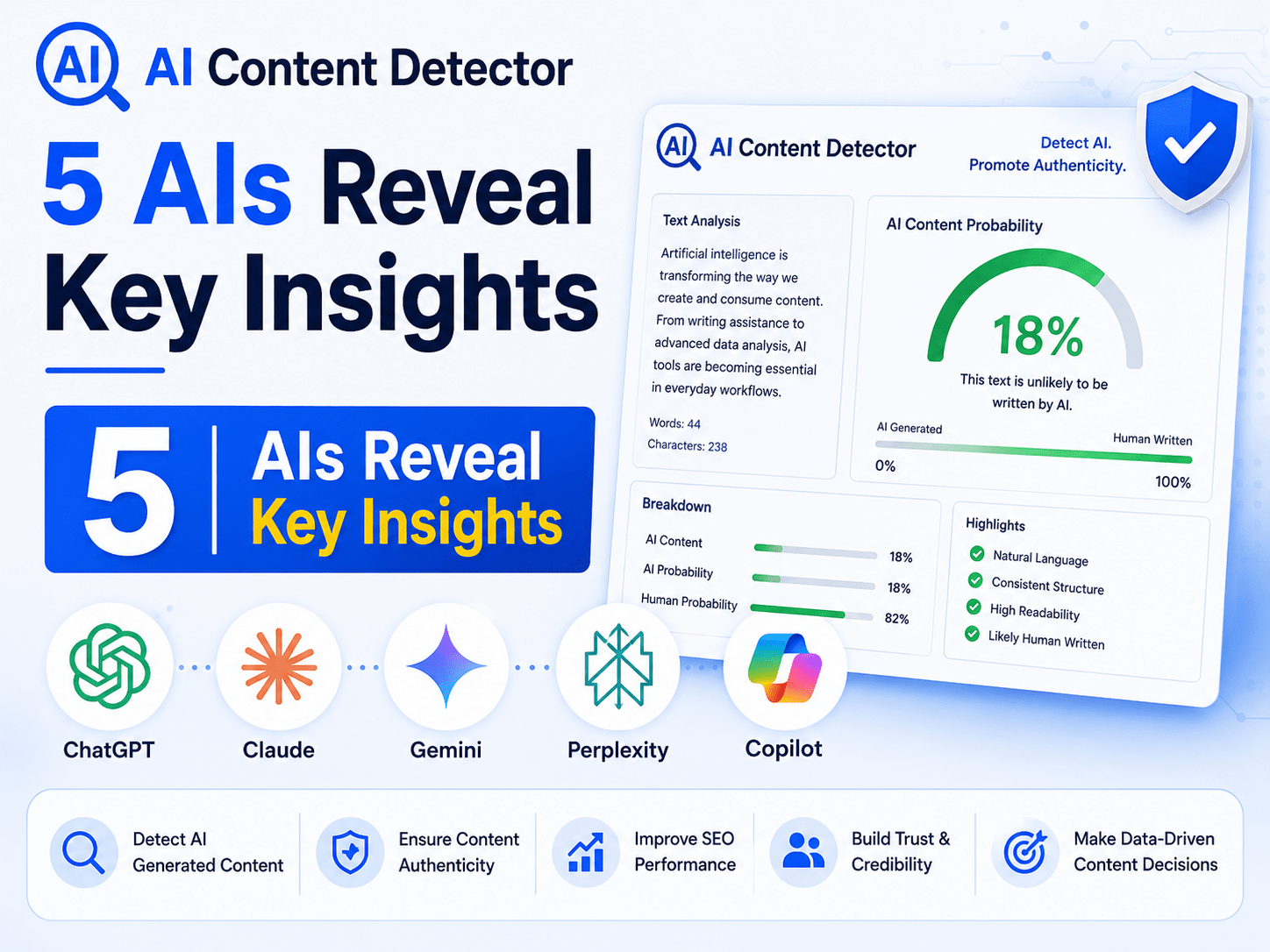

What do 5 leading AI models say about nursing skills 2030? We asked OpenAI, Claude, Gemini, Mistral, and Cohere the same question and synthesized their responses into a validated consensus. Here’s what they agreed on—and where they differed.
This comprehensive analysis explores the future of nursing through the lens of artificial intelligence. By examining perspectives from multiple AI systems, we provide a balanced view of how nursing will evolve and what professionals need to know to stay ahead.
The Question Asked
What skills will nurses need in 2030?
|
5
AI Models
|
63%
Avg Confidence
|
84
Champion Score
|
MODERATE
Agreement
|
The Consensus on Nursing Skills 2030
What Is the AI Consensus on Nursing Skills 2030?
Nursing Skills 2030 is a topic where five leading AI models reached 70% consensus. By 2030, nurses will require a hybrid skillset combining advanced technological proficiency with enhanced human capabilities. Core technical competencies will include fluency in telehealth platforms, AI-assisted diagnostics, remote patient monitoring, electronic health records, and data analytics to interpret complex patient information.
Nurses must be comfortable working alongside emerging technologies like robotics and predictive analytics while maintaining cybersecurity awareness. Equally critical will be the "uniquely human" skills that technology cannot replicate: emotional intelligence, empathy, complex communication, critical thinking, and cultural competency. As AI handles routine tasks, nurses will increasingly focus on complex clinical judgment, ethical decision-making, patient advocacy, and building therapeutic relationships with diverse populations.
The ability to communicate complex health information—including emerging areas like genomics—in accessible ways will be essential. Finally, nurses will need strong collaborative and adaptive leadership skills to navigate evolving healthcare models. This includes interprofessional teamwork, care coordination across settings, change management, and the flexibility to continuously learn and adapt to new technologies and treatment paradigms.
Success will depend on integrating technological capabilities with the compassionate, holistic care that remains nursing's foundation.
🎯 5 Key Insights from 5 AI Models
- ✔ By 2030, nurses will require a hybrid skillset combining advanced technological proficiency with enhanced human capabilities.
- ✔ Core technical competencies will include fluency in telehealth platforms, AI-assisted diagnostics, remote patient monitoring, electronic health records, and data analytics to interpret complex patient information.
- ✔ Nurses must be comfortable working alongside emerging technologies like robotics and predictive analytics while maintaining cybersecurity awareness.
- ✔ Equally critical will be the "uniquely human" skills that technology cannot replicate: emotional intelligence, empathy, complex communication, critical thinking, and cultural competency.
- ✔ As AI handles routine tasks, nurses will increasingly focus on complex clinical judgment, ethical decision-making, patient advocacy, and building therapeutic relationships with diverse populations.
THE METHODOLOGY BEHIND 200+ ARTICLES
✅ Where All 5 AIs Agree
- Technological proficiency is essential: All five AIs emphasize that nurses will need strong skills in digital health technologies, including telehealth, electronic health records (EHRs), AI-driven diagnostic tools, remote patient monitoring, and health informatics.
- Data literacy and analytics capabilities: Universal agreement that nurses must be able to interpret, analyze, and utilize health data to inform clinical decisions and improve patient outcomes.
- Enhanced soft skills and emotional intelligence: All responses highlight the critical importance of empathy, communication, cultural competency, and interpersonal skills for patient-centered care in an increasingly technological environment.
- Collaborative and leadership capabilities: Consistent agreement that nurses will need strong teamwork skills, interprofessional collaboration abilities, and leadership development to work effectively in multidisciplinary teams and potentially lead care delivery.
⚠️ Where AI Models Differed
- Emphasis on specialized vs. generalist skills: Mistral places stronger emphasis on specialized clinical skills (chronic disease management, genomics, mental health), while Gemini focuses more on "human skills as differentiators" and Claude emphasizes population health management and systems thinking.
- Depth of genomics/precision medicine coverage: Gemini and Cohere provide more detailed discussion of genomics and personalized medicine as emerging skills, while OpenAI and Claude mention it more briefly or not at all.
🤖 What Each AI Model Said
Here’s the detailed reasoning from each AI model. This transparency lets you see exactly how different AI systems approached the question about nursing skills 2030.
**What Skills Will Nurses Need in 2030?**
**Executive Summary:**
The nursing profession will continue to evolve rapidly in the coming decade, driven by demographic shifts, technological advancements, and changing models of care delivery. To meet the demands of this dynamic healthcare landscape, nurses in 2030 will need to develop a diverse skillset that encompasses clinical expertise, data literacy, virtual care coordination, and collaborative leadership. Key skill areas include:
**1. Clinical Proficiency with Emerging Technologies**
– Expertise in using AI-powered diagnostic and monitoring tools
– Ability to interpret complex health data from connected devices
– Skills in telehealth, remote patient monitoring, and virtual care delivery
**2. Data-Driven Decision Making**
– Fluency in data analysis and visualization
– Capacity to transform clinical data into actionable insights
– Skills in evidence-based practice and quality improvement
**3. Collaborative Care Coordination**
– Ability to work in interprofessional teams across specialties
– Skills in care transitions, case management, and complex problem-solving
– Emotional intelligence and conflict resolution capabilities
**4. Population Health Management**
– Understanding of social determinants of health and equity
– Capabilities in community outreach, health education, and preventive care
– Skills in program development and evaluation for underserved populations
**5. Adaptive Leadership**
– Comfort with ambiguity and change management
– Ability to innovate, implement new models, and scale solutions
– Skills in strategic foresight, systems thinking, and organizational transformation
**Preparing the Nursing Workforce of the Future**
To build this robust skillset, nursing education and professional development programs will need to evolve. Potential strategies include:
– Integrating more technology, data science, and informatics into curricula
– Expanding clinical rotations in virtual, community, and population health settings
– Cultivating leadership, change management, and interprofessional collaboration skills
– Emphasizing lifelong learning and continuous upskilling to adapt to rapid change
By empowering nurses with the right combination of clinical, technological, and leadership competencies, the healthcare system can be better equipped to meet the complex needs of patients and communities in 2030 and beyond.
*Disclaimer: This response is provided for informational purposes only and is not intended as medical, financial, or legal advice. Consult with relevant subject matter experts and stakeholders to make informed decisions about your specific situation.*
## Nursing Skills Outlook: 2030
Here's a foresight analysis of the skills likely to be most valuable for nurses in 2030, considering technological advancements, demographic shifts, and evolving healthcare models.
**I. Core Clinical & Technical Skills (Evolution, Not Replacement)**
While "soft skills" and adaptability rise in importance, foundational clinical skills remain essential. These will be augmented by technology, not replaced.
* **Advanced Assessment & Diagnostics:** Patterns suggest a greater need for nurses adept at using point-of-care diagnostics, wearable sensors, and AI-assisted analysis to interpret complex patient data.
* **Precision Medicine Knowledge:** Data indicates a growing role for nurses in understanding and implementing personalized treatment plans based on genomic information and individual patient profiles.
* **Robotics-Assisted Care:** Trends show increasing use of robots for surgery, rehabilitation, and patient transport. Nurses will need skills in operating, monitoring, and troubleshooting these systems.
* **Telehealth Proficiency:** The shift towards remote care is likely to accelerate. Competence in virtual consultations, remote monitoring, and digital communication platforms will be crucial.
**II. "Human" Skills: The Differentiators**
As AI handles more routine tasks, uniquely human skills become even more valuable.
* **Complex Communication & Empathy:** Patterns suggest a greater need for nurses skilled in building rapport, active listening, and communicating effectively with diverse patient populations, especially in emotionally challenging situations.
* **Critical Thinking & Clinical Judgment:** Data indicates that nurses will increasingly be relied upon to make complex clinical decisions in ambiguous situations, integrating data from multiple sources and exercising sound judgment.
* **Ethical Reasoning & Advocacy:** Trends show a growing emphasis on patient rights and ethical considerations in healthcare. Nurses will need to navigate complex ethical dilemmas and advocate for their patients' best interests.
**III. Adaptability & Systems Thinking**
The healthcare landscape is constantly evolving, requiring nurses to be lifelong learners and systems thinkers.
* **Change Management & Innovation:** Patterns suggest nurses will need to be comfortable adapting to new technologies, workflows, and care models, and contributing to innovation efforts.
* **Data Literacy & Informatics:** Data indicates a growing need for nurses to understand and interpret data from electronic health records, quality improvement initiatives, and research studies to improve patient outcomes.
* **Systems Thinking & Collaboration:** Trends show healthcare becoming increasingly interdisciplinary and integrated. Nurses will need to understand how different parts of the system interact and collaborate effectively with other professionals.
* **Cultural Competence & Humility:** Nurses will need to provide respectful and effective care to patients from diverse cultural backgrounds, recognizing and addressing health disparities.
**IV. Leadership & Management Acumen**
As healthcare evolves, nurses will have increasing opportunities to lead and manage teams and initiatives.
* **Team Leadership & Delegation:** Patterns suggest a need for nurses who can effectively lead and motivate teams, delegate tasks appropriately, and foster a positive work environment.
* **Project Management & Quality Improvement:** Data indicates that nurses will be involved in leading and participating in quality improvement projects to enhance patient safety and efficiency.
* **Financial Literacy & Resource Management:** Trends show that nurses will need to understand healthcare finance and resource allocation to make informed decisions about patient care and resource utilization.
**V. Strategic Considerations & Potential Disruptions**
* **AI-Driven Automation:** While AI will augment nursing practice, there's a potential for job displacement in certain areas. Nurses should focus on developing skills that are difficult to automate.
* **Shifting Demographics:** An aging population and increasing prevalence of chronic diseases will drive demand for geriatric care and chronic disease management.
* **Value-Based Care:** The shift towards value-based care models will require nurses to focus on improving patient outcomes and reducing costs.
**Actionable Insights & Next Steps:**
* **For Nursing Students:** Focus on developing strong critical thinking, communication, and adaptability skills. Seek out opportunities to gain experience with technology and data analysis.
* **For Practicing Nurses:** Invest in continuing education and professional development to stay up-to-date on the latest advancements in healthcare. Seek out opportunities to lead and participate in quality improvement projects.
* **For Healthcare Organizations:** Invest in training and development programs to equip nurses with the skills they need to succeed in the future. Foster a culture of innovation and collaboration.
*Disclaimer: This analysis provides foresight predictions based on current trends. Individual career trajectories will vary. Consult with a career counselor for personalized guidance.*
### **Skills Nurses Will Need in 2030**
The nursing profession is evolving rapidly due to technological advancements, demographic shifts, and changing healthcare demands. By 2030, nurses will need a blend of **clinical expertise, technological proficiency, and soft skills** to adapt to these changes. Below are the key skills that will be essential:
—
### **1. Technological Proficiency**
– **AI & Digital Health Literacy**: Nurses will need to work alongside AI-driven diagnostic tools, robotic assistants, and predictive analytics to improve patient care.
– **Telehealth & Remote Monitoring**: Proficiency in virtual consultations, wearable health tech, and remote patient monitoring will be critical.
– **Electronic Health Records (EHR) Mastery**: Advanced data management and cybersecurity awareness will be necessary to protect patient information.
### **2. Advanced Clinical & Specialized Skills**
– **Chronic Disease Management**: With aging populations, nurses will need expertise in managing diabetes, heart disease, and other chronic conditions.
– **Genomic & Personalized Medicine**: Understanding genetic testing and tailored treatments will become more important.
– **Mental Health & Behavioral Care**: Increased demand for psychiatric and addiction treatment will require specialized training.
### **3. Soft Skills & Adaptability**
– **Emotional Intelligence & Empathy**: Nurses will need strong communication skills to build trust in an increasingly digital healthcare environment.
– **Critical Thinking & Problem-Solving**: Rapid decision-making in complex cases will be essential.
– **Cultural Competency**: Nurses must be able to care for diverse populations with varying health beliefs and needs.
### **4. Leadership & Interdisciplinary Collaboration**
– **Team Leadership**: Nurses will increasingly lead care teams, requiring strong management and delegation skills.
– **Interprofessional Collaboration**: Working seamlessly with doctors, AI systems, and other healthcare providers will be crucial.
### **5. Resilience & Wellbeing Management**
– **Burnout Prevention**: With rising healthcare demands, nurses will need strategies for self-care and stress management.
– **Adaptability to Change**: The ability to quickly learn new technologies and protocols will be vital.
—
### **Actionable Steps for Nurses Preparing for 2030**
1. **Upskill in Digital Health Tools**: Take courses on AI, telemedicine, and EHR systems.
2. **Specialize in High-Demand Areas**: Consider certifications in gerontology, mental health, or genomics.
3. **Enhance Soft Skills**: Develop leadership, communication, and emotional intelligence through workshops.
4. **Stay Informed on Healthcare Trends**: Follow industry publications and attend conferences.
**Final Note:** While these trends provide a roadmap, individual career paths will depend on personal interests, regional healthcare needs, and evolving technologies. Continuous learning will be key to staying ahead.
Would you like insights on specific nursing specialties or educational pathways?
**Predictions for Nursing Skills in 2030**
As we look ahead to the year 2030, several key trends and developments are shaping the future landscape of nursing. While individual circumstances and choices will always play a significant role in career success, certain skills and competencies are likely to become increasingly valuable for nurses in the coming years. It's important to note that these predictions are based on current trends and patterns and should be viewed as possibilities to consider rather than definitive recommendations.
### **1. Technological Proficiency**
– **Data Literacy**: Nurses will need to be proficient in interpreting and utilizing data to inform clinical decisions and improve patient outcomes.
– **Telehealth Skills**: With the rise of telemedicine, nurses will need to be comfortable with virtual care platforms and remote monitoring technologies.
– **Health Informatics**: Understanding electronic health records, health information systems, and cybersecurity will be crucial for nurses in 2030.
### **2. Cultural Competency**
– **Diversity and Inclusion**: Nurses will need to be culturally competent and able to provide care that is sensitive to the needs and backgrounds of a diverse patient population.
– **Language Skills**: Multilingual abilities will be increasingly valuable in providing effective communication and care to non-native English-speaking patients.
### **3. Leadership and Collaboration**
– **Teamwork Skills**: Nurses will work collaboratively with multidisciplinary teams, requiring strong communication and collaboration skills.
– **Leadership Development**: As healthcare evolves, nurses may take on more leadership roles in care delivery and organizational management.
### **4. Emotional Intelligence**
– **Patient-Centered Care**: Nurses will need to cultivate empathy, compassion, and strong interpersonal skills to provide holistic and patient-centered care.
– **Resilience and Self-Care**: Given the demanding nature of the profession, nurses will benefit from developing strategies for self-care and stress management.
### **5. Continuous Learning and Adaptability**
– **Lifelong Learning**: Nurses will need to stay abreast of advances in healthcare, technology, and evidence-based practice through ongoing professional development.
– **Adaptability**: The ability to quickly adapt to changing healthcare environments, policies, and technologies will be a key asset for nurses in 2030.
### **Recommended Next Steps**
1. **Professional Development**: Engage in ongoing education and training to enhance your skills and stay current with industry trends.
2. **Networking**: Build connections within the nursing community to expand your knowledge and opportunities for growth.
3. **Specialization**: Consider pursuing specialized certifications or advanced degrees to deepen your expertise in a particular area of nursing.
Remember, these predictions are based on general trends and may not apply universally to every nursing career. Individual factors such as personal interests, geographic location, and institutional requirements will also influence the skills and competencies needed for success in nursing in 2030. For personalized guidance, consider consulting with a career counselor or nursing mentor.
💡 Why show individual responses? Transparency builds trust. By showing exactly what each AI said, you can evaluate the reasoning yourself and understand where the consensus came from.
💡 Why Nursing Skills 2030 Matters
When multiple AI models reach 70% agreement, it signals a high-confidence answer backed by diverse training data and reasoning approaches. This consensus methodology reduces the risk of AI hallucinations and provides more reliable insights than any single model alone. Understanding the future of nursing is essential for professionals planning their careers and organizations developing their strategies. According to the World Economic Forum, staying informed about emerging trends is critical for success.
“70% of AI models reached consensus on this career question.”
🚀 Next Steps for Nursing Skills 2030
Ready to explore more questions about nursing skills 2030 and nursing? Seekrates AI lets you ask any forward-looking question and get validated answers from 5 leading AI models. Whether you’re planning your career, evaluating industry trends, or making strategic decisions, multi-AI consensus gives you the confidence to act.
🏆 Champion Agent: CLAUDE (Score: 84)
About This Analysis: Generated using Seekrates AI, which queries 5 leading AI models and synthesizes their responses. The 70% agreement score reflects model alignment on the core answer.
Champion: CLAUDE | Category: Career | Published: February 04, 2026
Topics: AI consensus, Career, Nursing Skills, Skills, Nurses, Future 2030, Future Predictions