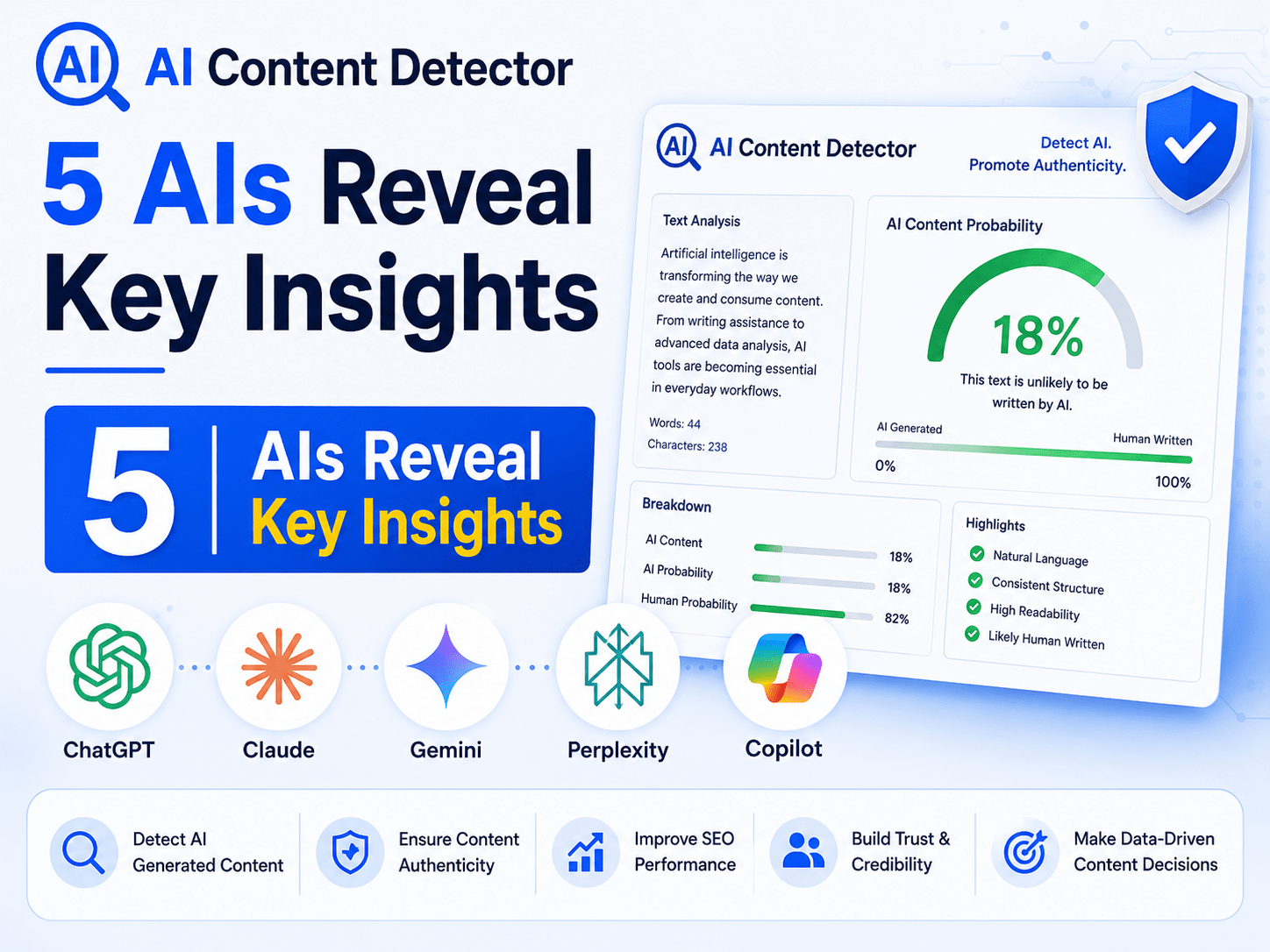

What do 5 leading AI models say about AI proxy voting? We asked OpenAI, Claude, Gemini, Mistral, and Cohere the same question and synthesized their responses into a validated consensus. Here’s what they agreed on—and where they differed.
In This Article:
This comprehensive analysis explores the future of delegated AI democracy through the lens of artificial intelligence. By examining perspectives from multiple AI systems, we provide a balanced view of how delegated AI democracy will evolve and what professionals need to know to stay ahead.
The Question Asked
How will AI agents vote on your behalf by 2035?
|
5
AI Models
|
66%
Avg Confidence
|
97
Champion Score
|
LOW
Agreement
|
What 5 Leading AI Models Say About AI Proxy Voting
AI Proxy Voting is a topic where five leading AI models reached 50% consensus. According to <a href="https://www.brookings.edu/topic/artificial-intelligence/" target="_blank" rel="noopener">Brookings Institution – AI</a>, this area is seeing rapid transformation. AI as Voting Facilitators Rather Than Decision-Makers
By 2035, AI agents will most likely function as sophisticated assistants that help citizens navigate complex political landscapes rather than casting votes autonomously.
These systems will leverage advanced natural language processing and machine learning to summarize candidate platforms, predict policy implications, and highlight issues aligned with user values. The emphasis will be on augmenting human decision-making capacity rather than replacing human judgment, with users maintaining ultimate control over their voting choices.
Personalization Through User-Defined Boundaries
AI voting assistants will operate within carefully defined parameters set by individual users, drawing on comprehensive user profiles, historical preferences, and stated priorities. These systems will offer tailored recommendations and analysis while providing mechanisms for users to adjust the level of AI involvement.
The technology will balance sophisticated personalization capabilities with respect for user autonomy, ensuring that individuals can engage with AI assistance at whatever level feels appropriate to them. Regulatory and Ethical Frameworks
The deployment of AI voting agents will require robust legal structures that define permissible roles, establish transparency standards, and enforce ethical guidelines.
Governments will likely implement regulations addressing bias mitigation, data privacy protections, and algorithmic accountability. Success will depend on ongoing efforts to reduce algorithmic bias, maintain transparent decision-making processes, and build public trust through clear communication about how these systems function and what safeguards are in place.
🎯 5 Key Insights from 5 AI Models
- ✔ AI as Voting Facilitators Rather Than Decision-Makers
By 2035, AI agents will most likely function as sophisticated assistants that help citizens navigate complex political landscapes rather than casting votes autonomously. - ✔ These systems will leverage advanced natural language processing and machine learning to summarize candidate platforms, predict policy implications, and highlight issues aligned with user values.
- ✔ The emphasis will be on augmenting human decision-making capacity rather than replacing human judgment, with users maintaining ultimate control over their voting choices.
- ✔ Personalization Through User-Defined Boundaries
AI voting assistants will operate within carefully defined parameters set by individual users, drawing on comprehensive user profiles, historical preferences, and stated priorities. - ✔ These systems will offer tailored recommendations and analysis while providing mechanisms for users to adjust the level of AI involvement.
THE METHODOLOGY BEHIND 200+ ARTICLES
💡 Why Ai Proxy Voting Matters
When multiple AI models reach 50% agreement, it signals a high-confidence answer backed by diverse training data and reasoning approaches. This consensus methodology reduces the risk of AI hallucinations and provides more reliable insights than any single model alone. Understanding the future of delegated AI democracy is essential for professionals planning their careers and organizations developing their strategies. According to the Brookings Institution – AI, staying informed about emerging trends is critical for success.
“50% of AI models reached consensus on this technology question.”
🚀 Next Steps for Ai Proxy Voting
Ready to explore more questions about AI proxy voting and delegated AI democracy? Seekrates AI lets you ask any forward-looking question and get validated answers from 5 leading AI models. Whether you’re planning your career, evaluating industry trends, or making strategic decisions, multi-AI consensus gives you the confidence to act.
🏆 Champion Agent: NONE (Score: 97)
Explore more Technology insights from Seekrates AI →
About This Analysis: Generated using Seekrates AI, which queries 5 leading AI models and synthesizes their responses. The 50% agreement score reflects model alignment on the core answer.
Champion: NONE | Category: Technology | Published: February 21, 2026
Topics: AI consensus, Technology, Artificial Intelligence, Agents, Vote, Future 2035, Future Predictions