
What do 5 leading AI models say about AI digital inheritance? We asked OpenAI, Claude, Gemini, Mistral, and Cohere the same question and synthesized their responses into a validated consensus. Here’s what they agreed on—and where they differed.
In This Article:
This comprehensive analysis explores the future of digital estate AI through the lens of artificial intelligence. By examining perspectives from multiple AI systems, we provide a balanced view of how digital estate AI will evolve and what professionals need to know to stay ahead.
The Question Asked
Will AI agents inherit digital assets after you die?
|
5
AI Models
|
63%
Avg Confidence
|
94
Champion Score
|
HIGH
Agreement
|
What 5 Leading AI Models Say About AI Digital Inheritance
AI Digital Inheritance is a topic where five leading AI models reached 85% consensus. According to <a href="https://www.weforum.org/agenda/archive/artificial-intelligence/" target="_blank" rel="noopener">World Economic Forum – AI</a>, this area is seeing rapid transformation. Current Legal Reality
AI agents cannot legally inherit digital assets under current legal frameworks. AI lacks legal personhood status, which is a fundamental requirement for inheriting property.
Existing laws such as the Revised Uniform Fiduciary Access to Digital Assets Act (RUFADAA) and platform policies from services like Facebook and Google are designed exclusively for human beneficiaries. Digital assets encompass cryptocurrencies, online accounts, social media profiles, virtual goods, and cloud-stored data, all of which are currently managed through wills, trusts, and legacy contact designations intended for human heirs.
AI as Asset Manager Rather Than Inheritor
The more practical and legally feasible approach involves AI agents serving as tools to manage digital estates rather than inheriting them directly. An AI could be programmed to execute specific instructions, such as distributing assets to human beneficiaries, paying bills, managing social media legacies, or maintaining digital presences according to the deceased's wishes.
This would require secure authentication protocols, API access, and potentially smart contracts for blockchain assets. However, this arrangement would necessitate explicit delegation through legal instruments and would still position AI as an executor of human intent rather than a rights-bearing beneficiary.
Future Possibilities and Challenges
Future scenarios could include specialized AI trusts where an AI agent manages assets for specific purposes like research or ongoing service provision, though this would require entirely new legal frameworks. Technical challenges include authentication security, the risk of hacking or misuse, and the need for AI to interpret potentially vague directives.
Ethical considerations arise around whether AI should be granted rights similar to humans, concerns about AI making decisions impacting human lives, and the emotional and cultural appropriateness of AI inheritance. Any movement toward AI inheritance would require substantial legal reform, technical safeguards, and broad societal consensus on the legal status and rights of artificial intelligence.
🎯 5 Key Insights from 5 AI Models
- ✔ Current Legal Reality
AI agents cannot legally inherit digital assets under current legal frameworks. - ✔ AI lacks legal personhood status, which is a fundamental requirement for inheriting property.
- ✔ Existing laws such as the Revised Uniform Fiduciary Access to Digital Assets Act (RUFADAA) and platform policies from services like Facebook and Google are designed exclusively for human beneficiaries.
- ✔ Digital assets encompass cryptocurrencies, online accounts, social media profiles, virtual goods, and cloud-stored data, all of which are currently managed through wills, trusts, and legacy contact designations intended for human heirs.
- ✔ AI as Asset Manager Rather Than Inheritor
The more practical and legally feasible approach involves AI agents serving as tools to manage digital estates rather than inheriting them directly.
🏆 What OPENAI Says About Ai Digital Inheritance
Highest-scoring response (Score: 94)
### Inheritance of Digital Assets After Death
The inheritance of digital assets after one’s death is an evolving legal topic, and the approach can vary significantly based on jurisdiction, the nature of the digital assets, and the policies of the service providers involved. Here’s a thorough analysis:
#### 1. Types of Digital Assets
– Cryptocurrencies: Bitcoin, Ethereum, and other digital currencies, which can be transferred or inherited like physical property.
– Online Accounts: Emails, social media, and streaming services that may contain valuable data, communications, or content.
– Digital Media: Photos, videos, music, and other intellectual properties stored online.
– Virtual Goods: Items associated with online gaming or virtual worlds (e.g., skins, in-game currency).
#### 2. Legal Framework
– Wills and Trusts: Many individuals choose to include digital assets in their wills or establish trusts to facilitate the transfer upon death. Clear specifications on who receives which accounts (and how) can help ensure these assets are passed on as intended.
– State Laws: The laws governing digital assets vary by state or country. Some jurisdictions have specific laws regarding digital assets, while others rely on general property law principles.
#### 3. Service Provider Policies
– Terms of Service: Different platforms have unique policies regarding the transferability of accounts upon death. For example:
– Facebook: Allows for a legacy contact to manage your account posthumously, but does not allow for the transfer of ownership.
– Google: Offers an Inactive Account Manager feature, allowing users to determine what happens to their data after a period of inactivity.
#### 4. Challenges and Considerations
– Access Issues: Digital assets may be protected by passwords, security questions, or two-factor authentication, complicating access for heirs.
– Privacy Concerns: Digital assets often involve sensitive information, raising concerns about privacy rights post-death.
– Valuation and Liquidation: Determining the value of digital assets and how to liquidate them can be complex.
#### 5. Recommended Steps for Individuals
– Inventory Digital Assets: Maintain a list of all digital accounts and assets, including login information.
– Create a Plan: Consider how you want your digital assets handled after passing. Legal documents should reflect your wishes regarding digital assets.
– Consult Professionals: Engage a lawyer experienced in estate planning, especially regarding digital assets, to navigate the complexities involved.
#### 6. Potential Future Trends
– Legislation Changes: As awareness of digital assets grows, we may see more standardized laws governing their inheritance across jurisdictions.
– Increased Platform Options: Service providers may expand options for users to specify how their digital assets should be managed posthumously.
### Conclusion
While digital assets can indeed be inherited, the process can be complicated by legal, technical, and privacy issues. Taking proactive steps in planning and consulting with legal professionals can facilitate seamless transition of these valuable assets to heirs.
💡 Why Ai Digital Inheritance Matters
When multiple AI models reach 85% agreement, it signals a high-confidence answer backed by diverse training data and reasoning approaches. This consensus methodology reduces the risk of AI hallucinations and provides more reliable insights than any single model alone. Understanding the future of digital estate AI is essential for professionals planning their careers and organizations developing their strategies. According to the World Economic Forum – AI, staying informed about emerging trends is critical for success.
“85% of AI models reached consensus on this technology question.”
🚀 Next Steps for Ai Digital Inheritance
Ready to explore more questions about AI digital inheritance and digital estate AI? Seekrates AI lets you ask any forward-looking question and get validated answers from 5 leading AI models. Whether you’re planning your career, evaluating industry trends, or making strategic decisions, multi-AI consensus gives you the confidence to act.
🏆 Champion Agent: OPENAI (Score: 94)
Explore more Technology insights from Seekrates AI →
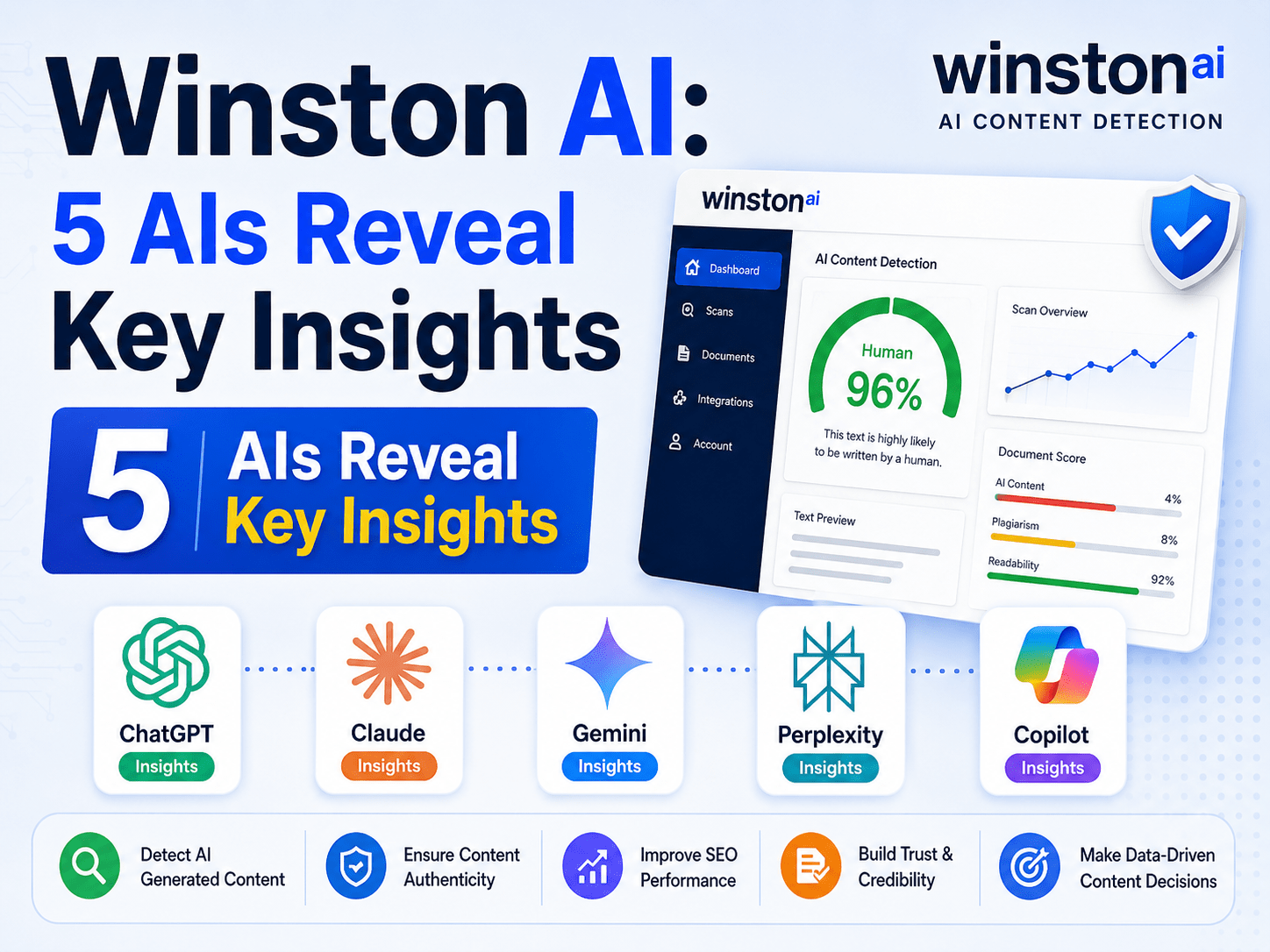
Winston AI: 5 AIs Reveal Key Insights: 5 AIs Reveal Key Insights
77 / 100 Powered by Rank Math SEO SEO Score Winston AI: 5 AIs Reveal Key Insights: 5 AIs Reveal Key Insights In This Article:
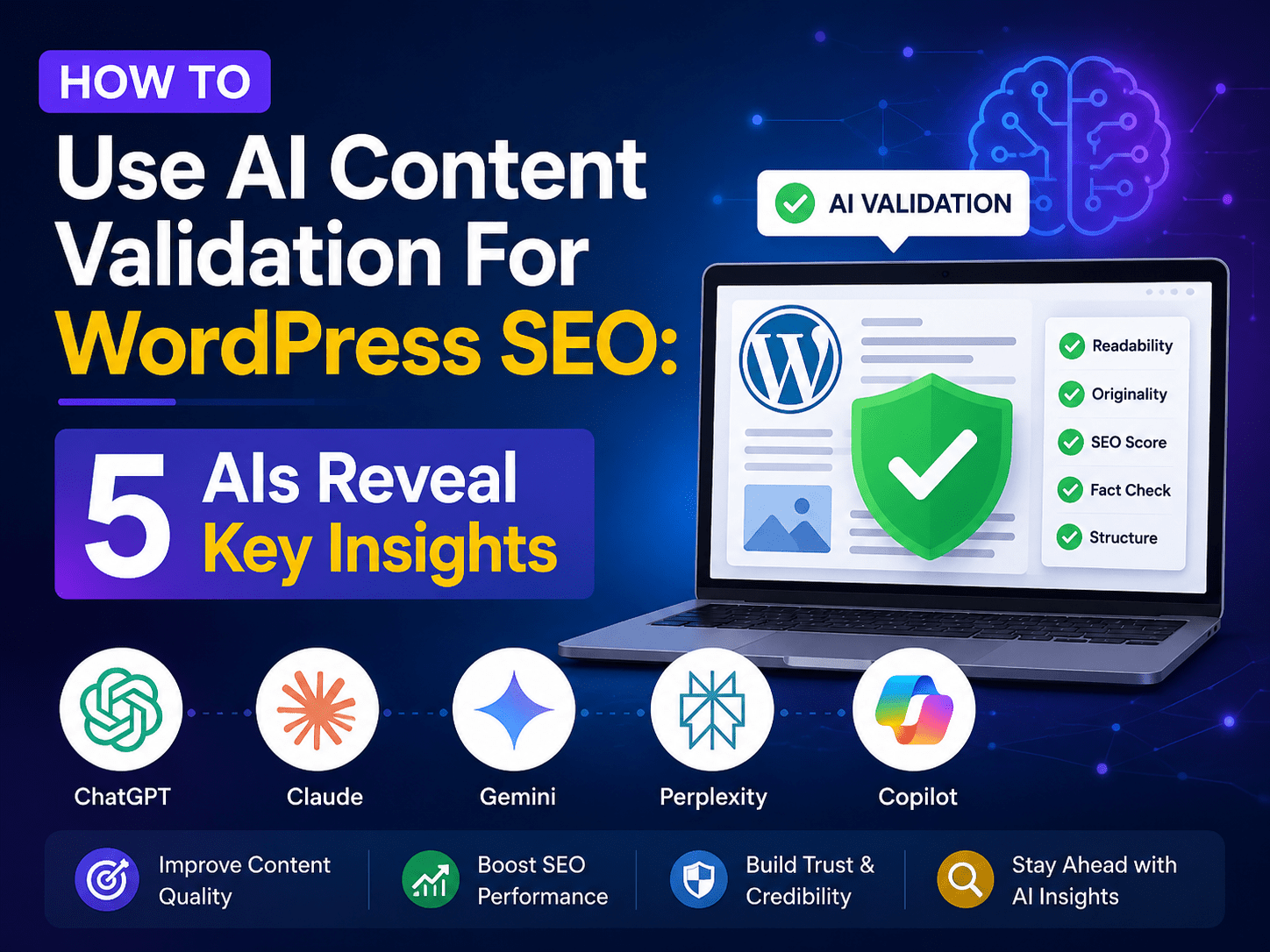
How To Use AI Content Validation For WordPress SEO: 5 AIs Reveal Key Insights
83 / 100 Powered by Rank Math SEO SEO Score How To Use AI Content Validation For WordPress SEO: 5 AIs Reveal Key Insights In
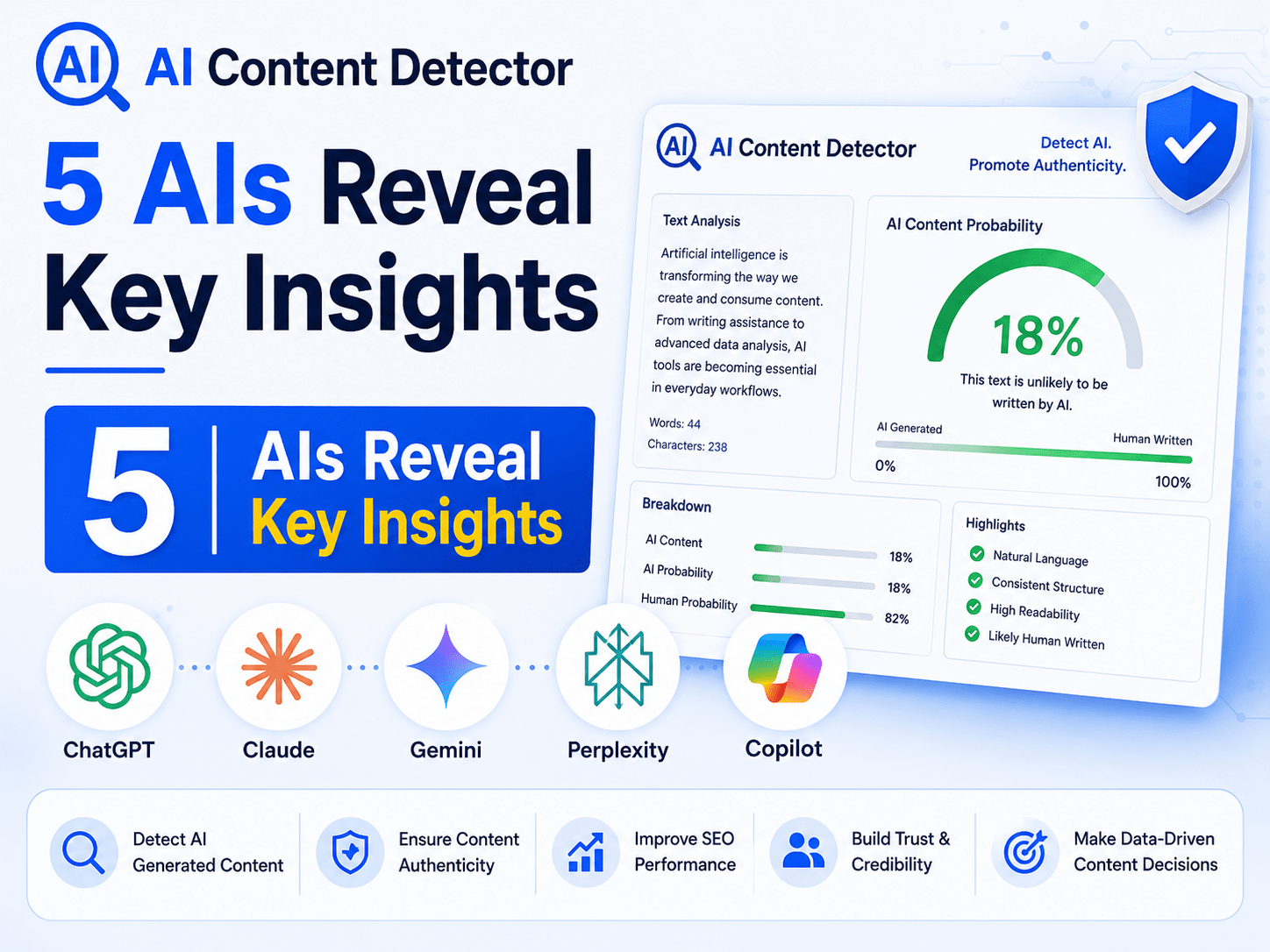
AI Content Detector: 5 AIs Reveal Key Insights: 5 AIs Reveal Key Insights
79 / 100 Powered by Rank Math SEO SEO Score AI Content Detector: 5 AIs Reveal Key Insights: 5 AIs Reveal Key Insights In This
About This Analysis: Generated using Seekrates AI, which queries 5 leading AI models and synthesizes their responses. The 85% agreement score reflects model alignment on the core answer.
Champion: OPENAI | Category: Technology | Published: February 22, 2026
Topics: AI consensus, Technology, Artificial Intelligence, Agents, Inherit