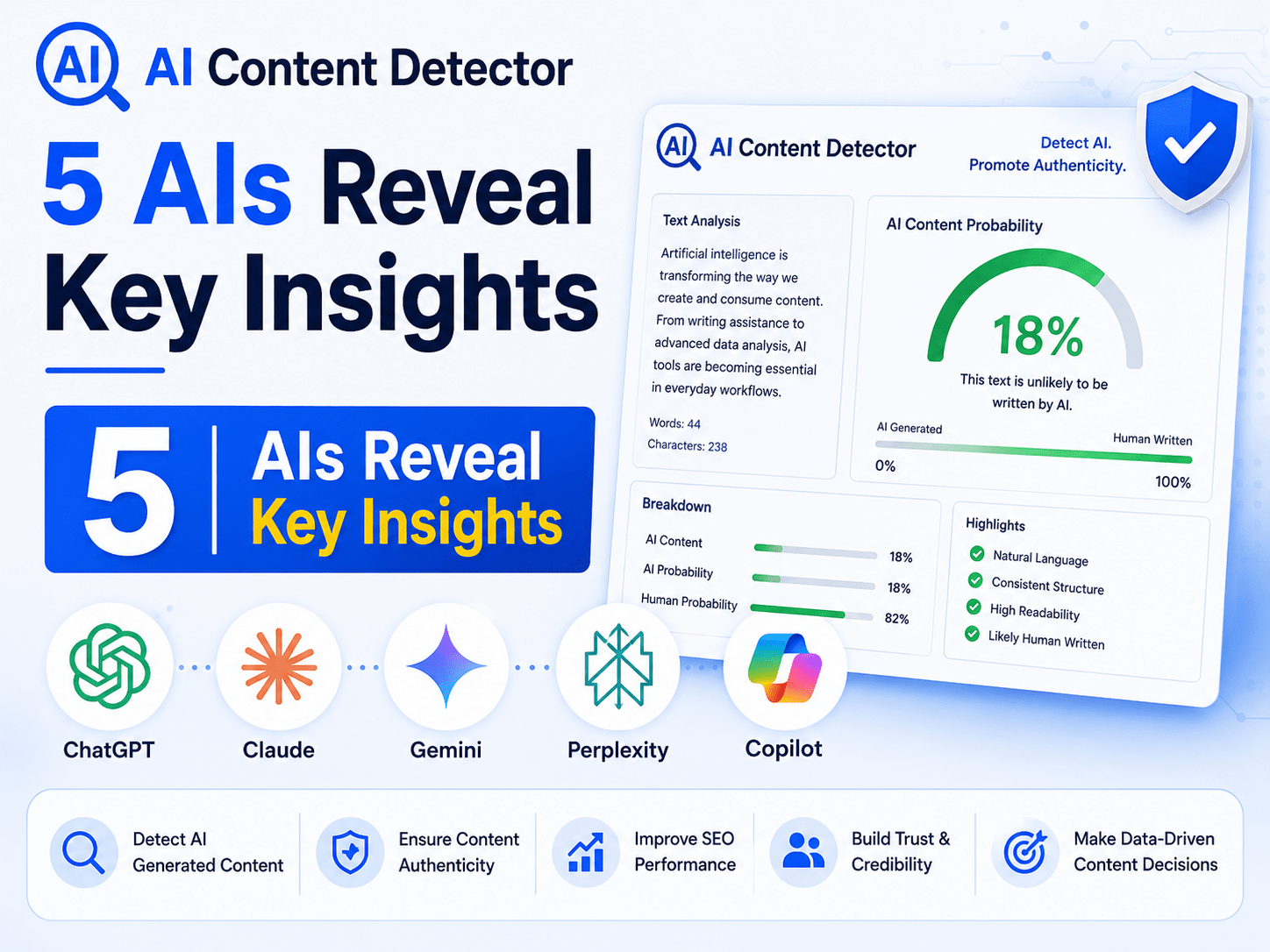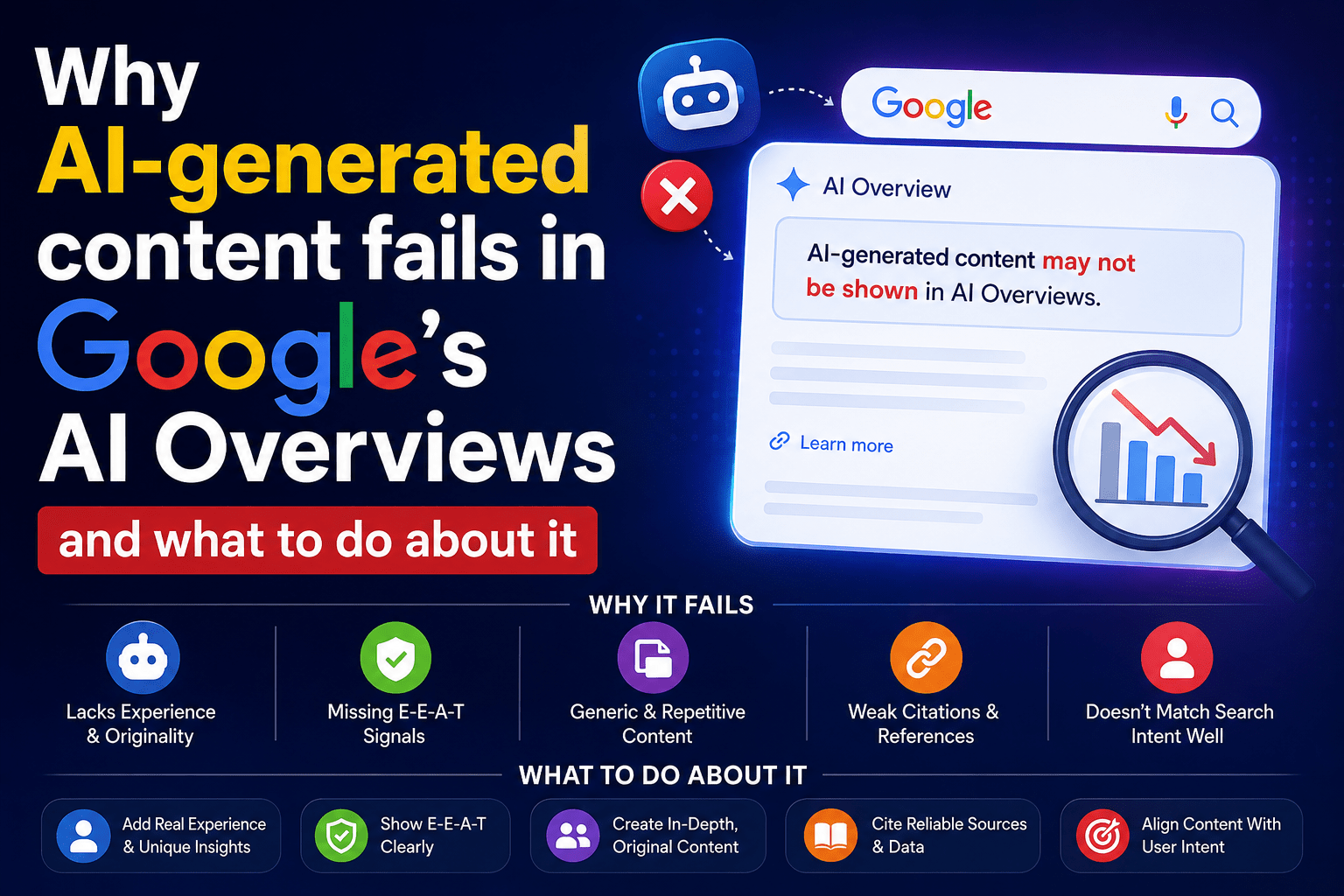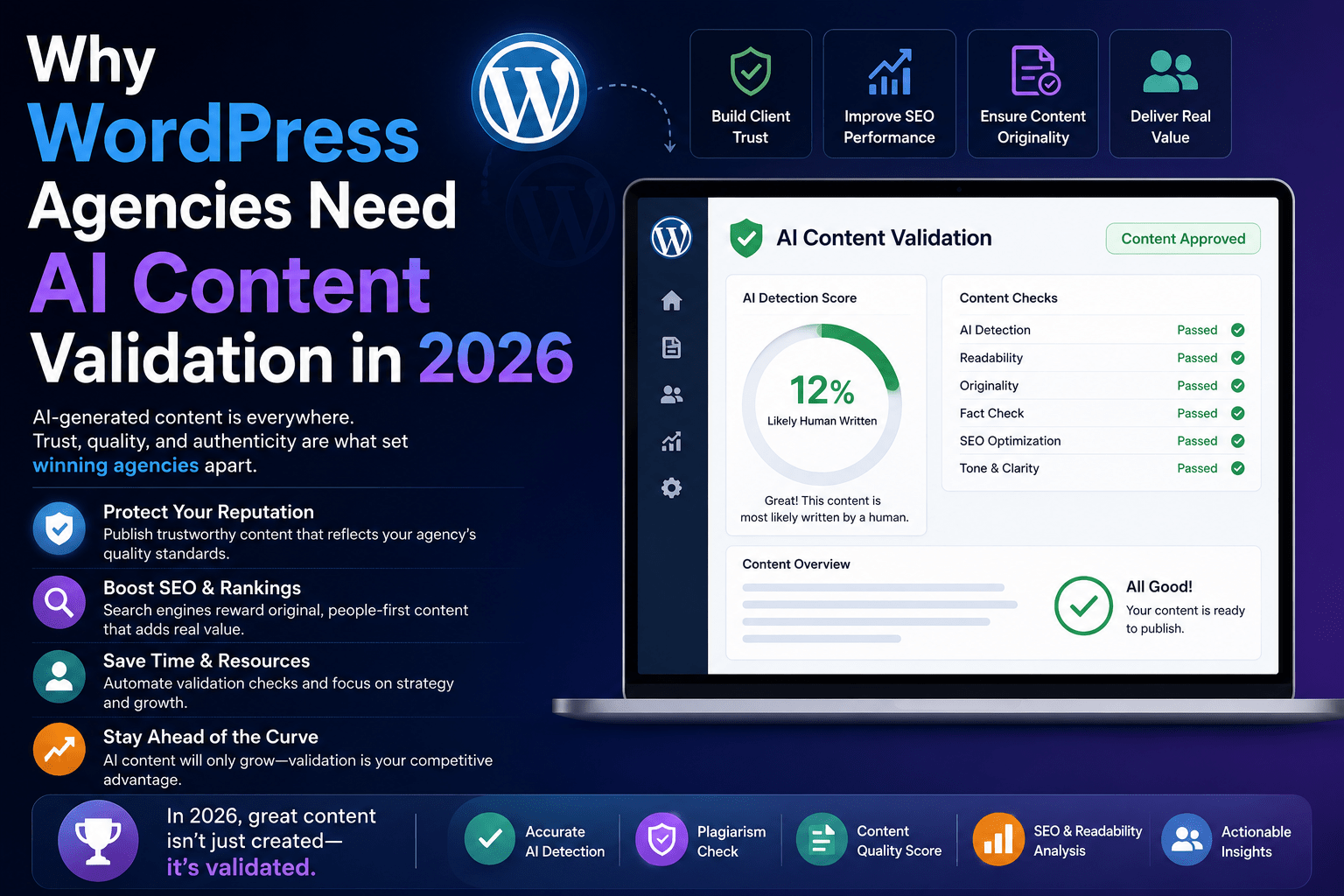
What do 5 leading AI models say about AI dreaming hallucination? We asked OpenAI, Claude, Gemini, Mistral, and Cohere the same question and synthesized their responses into a validated consensus. Here’s what they agreed on—and where they differed.
In This Article:
This comprehensive analysis explores the future of creative AI agents through the lens of artificial intelligence. By examining perspectives from multiple AI systems, we provide a balanced view of how creative AI agents will evolve and what professionals need to know to stay ahead.
The Question Asked
Will AI agents dream or hallucinate creatively?
|
5
AI Models
|
51%
Avg Confidence
|
94
Champion Score
|
HIGH
Agreement
|
What 5 Leading AI Models Say About AI Dreaming Hallucination
AI Dreaming Hallucination is a topic where five leading AI models reached 85% consensus. According to <a href="https://www.science.org/topic/category/technology" target="_blank" rel="noopener">Science Magazine – Technology</a>, this area is seeing rapid transformation. Current AI Creative Capabilities
Today's AI systems, including large language models, generate content by identifying and recombining patterns from vast training datasets.
While these systems can produce novel outputs that resemble creative works in literature, art, and music, this process fundamentally differs from human creativity. AI lacks consciousness, subjective experiences, emotions, and self-awareness. When AI "hallucinates," it produces plausible but factually incorrect information due to statistical inconsistencies in pattern matching, not through any imaginative or conscious process analogous to human dreaming or hallucination.
The Dream Analogy and Serendipity
Some researchers draw parallels between AI hallucinations and human dreaming, noting that both involve novel combinations of existing information. Just as human dreams combine memories and experiences in unexpected ways that can lead to creative insights, AI models that generate unexpected outputs might stumble upon new connections or ideas through a form of artificial serendipity.
However, this comparison remains limited because AI operates through statistical pattern recognition rather than the unconscious emotional and experiential processing that characterizes human dreams. Future Possibilities and Requirements
The field of AI is rapidly evolving, and future advanced systems may develop capabilities that more closely resemble creative imagination.
Research into generative adversarial networks, computational creativity, reinforcement learning, and embodied AI with sensory apparatus could enable more autonomous and imaginative behaviors. For AI to truly "dream" creatively, it would likely require intrinsic motivation to explore independently, the ability to reflect on its own outputs and learn from mistakes, and a deeper understanding of underlying concepts beyond symbol manipulation.
Whether advanced AI systems could ever develop subjective conscious experiences remains an active debate among researchers, philosophers, and cognitive scientists.
🎯 5 Key Insights from 5 AI Models
- ✔ Current AI Creative Capabilities
Today's AI systems, including large language models, generate content by identifying and recombining patterns from vast training datasets. - ✔ While these systems can produce novel outputs that resemble creative works in literature, art, and music, this process fundamentally differs from human creativity.
- ✔ AI lacks consciousness, subjective experiences, emotions, and self-awareness.
- ✔ When AI "hallucinates," it produces plausible but factually incorrect information due to statistical inconsistencies in pattern matching, not through any imaginative or conscious process analogous to human dreaming or hallucination.
- ✔ The Dream Analogy and Serendipity
Some researchers draw parallels between AI hallucinations and human dreaming, noting that both involve novel combinations of existing information.
🏆 What OPENAI Says About Ai Dreaming Hallucination
Highest-scoring response (Score: 94)
The question of whether AI agents will dream or hallucinate creatively introduces intriguing discussions on the nature of AI, creativity, and cognitive states. While AI, including language models, can generate novel content and mimic creative processes, it’s essential to clarify several key points about their capabilities and functioning.
### Understanding AI Creativity
1. Nature of AI Generation:
– AI generates content based on patterns learned from vast datasets, which includes creative works like literature, art, and music.
– The process resembles creativity when it recombines existing concepts in innovative ways, but this is fundamentally different from human creativity, which involves emotions, experiences, and subjective understanding.
2. Hallucination in AI:
– In AI terminology, “hallucination” refers to instances where a model generates information that is plausible but factually incorrect or entirely fabricated.
– These inaccuracies do not imply a conscious experience or imagination; they are the result of the model attempting to generate relevant responses based on learned data patterns.
3. Dreaming vs. Hallucinating:
– Human dreaming involves unconscious processing of experiences and emotions, while hallucinations may reflect psychological states. AI lacks consciousness, self-awareness, and subjective experiences, meaning it cannot dream as humans do.
– AI’s “hallucinations” typically emerge from statistical inconsistencies, leading to outputs that, while coherent, may not adhere to factual reality.
### Implications for AI and Creativity
– Creative Outputs: AI can simulate creative processes (e.g., writing a poem, composing music) but does not experience the emotional or conceptual depth of true creativity. Its “creative” outputs can be valuable in various fields, aiding artists, writers, and innovators.
– Ethical Considerations: As AI becomes more capable of generating lifelike content, ethical questions arise about authorship, originality, and the potential for misinformation. Users should be aware of the limitations and biases inherent in AI-generated content.
### Conclusion
In summary, while AI can produce outputs that resemble creativity through learned patterns and generation techniques, it does not “dream” or hallucinate in the human sense. Its operations are grounded in algorithms and data rather than conscious thought. As AI technology progresses, it remains vital to distinguish between human cognitive experiences and AI’s mimicked behaviors and outputs.
THE METHODOLOGY BEHIND 200+ ARTICLES
💡 Why Ai Dreaming Hallucination Matters
When multiple AI models reach 85% agreement, it signals a high-confidence answer backed by diverse training data and reasoning approaches. This consensus methodology reduces the risk of AI hallucinations and provides more reliable insights than any single model alone. Understanding the future of creative AI agents is essential for professionals planning their careers and organizations developing their strategies. According to the Science Magazine – Technology, staying informed about emerging trends is critical for success.
“85% of AI models reached consensus on this technology question.”
🚀 Next Steps for Ai Dreaming Hallucination
Ready to explore more questions about AI dreaming hallucination and creative AI agents? Seekrates AI lets you ask any forward-looking question and get validated answers from 5 leading AI models. Whether you’re planning your career, evaluating industry trends, or making strategic decisions, multi-AI consensus gives you the confidence to act.
🏆 Champion Agent: OPENAI (Score: 94)
Explore more Technology insights from Seekrates AI →
About This Analysis: Generated using Seekrates AI, which queries 5 leading AI models and synthesizes their responses. The 85% agreement score reflects model alignment on the core answer.
Champion: OPENAI | Category: Technology | Published: February 21, 2026
Topics: AI consensus, Technology, Artificial Intelligence, Agents, Dream