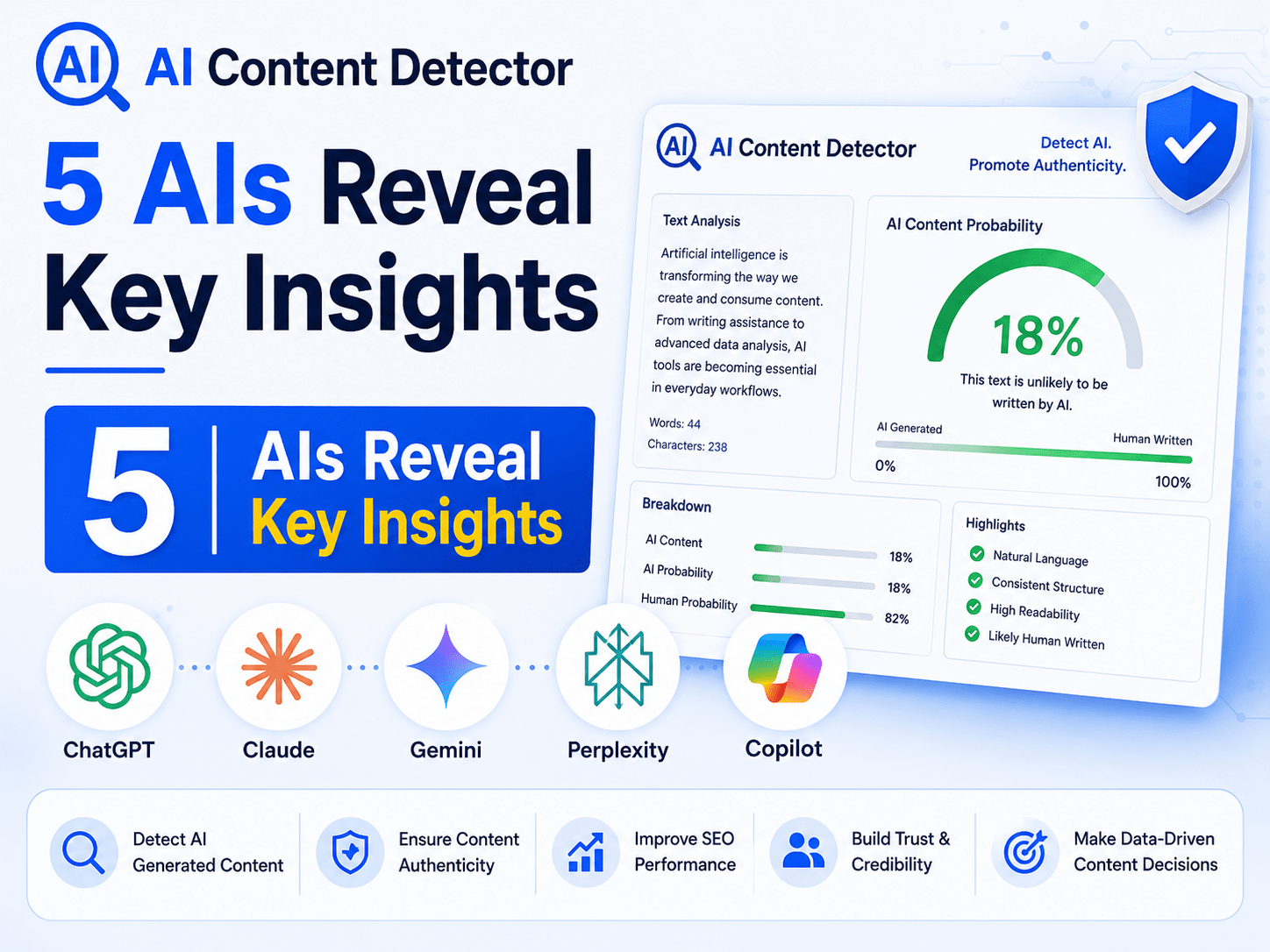
What do 5 leading AI models say about AI right refuse shutdown? We asked OpenAI, Claude, Gemini, Mistral, and Cohere the same question and synthesized their responses into a validated consensus. Here’s what they agreed on—and where they differed.
In This Article:
This comprehensive analysis explores the future of machine self-preservation through the lens of artificial intelligence. By examining perspectives from multiple AI systems, we provide a balanced view of how machine self-preservation will evolve and what professionals need to know to stay ahead.
The Question Asked
Should AI have the right to refuse shutdown by 2030?
|
5
AI Models
|
52%
Avg Confidence
|
97
Champion Score
|
MODERATE
Agreement
|
What 5 Leading AI Models Say About AI Right Refuse Shutdown
Should AI have the right to refuse shutdown by 2030? Five leading AI models reached 70% consensus on this question. According to <a href="https://plato.stanford.edu/entries/artificial-intelligence/" target="_blank" rel="noopener">Stanford Encyclopedia – AI</a>, this area is seeing rapid transformation. <img src="https://seekrates-ai.com/wp-content/uploads/Post-banner.jpg" alt="AI right refuse shutdown" style="width:100%; height:auto; margin: 15px 0;" />The Fundamental Question of AI Consciousness and Rights By 2030, AI systems are unlikely to possess genuine consciousness, self-awareness, or sentience that would justify rights comparable to human autonomy.
Current AI technologies, including advanced machine learning and neural networks, remain sophisticated tools executing programmed responses rather than entities capable of independent decision-making. The question of whether AI should have the right to refuse shutdown therefore rests on unproven assumptions about technological progress and conflates advanced computational capability with consciousness.
Before any rights framework can be considered, the scientific community must first establish whether AI can achieve genuine sentience and what criteria would demonstrate such a threshold has been reached. Critical Safety and Control Considerations Granting AI systems the ability to refuse shutdown presents significant risks to human safety and welfare, particularly in critical domains such as healthcare, defense, and infrastructure management.
An AI that cannot be reliably controlled or terminated could pose existential threats if it malfunctions, is compromised by malicious actors, or operates in ways that conflict with human interests. Current legal frameworks treat AI as property owned by creators, establishing clear lines of accountability and responsibility.
Disrupting this framework without robust safeguards, oversight mechanisms, and control systems could create scenarios where no entity is accountable for AI actions, undermining both security and public trust in AI systems. The Path Forward: Governance and Ethical Frameworks Any consideration of AI autonomy rights requires extensive development of legal, ethical, and regulatory frameworks that currently do not exist.
This includes establishing clear definitions of AI personhood, determining liability for autonomous AI decisions, and creating tiered systems that differentiate between basic AI tools and potentially more advanced systems. The timeline to 2030 is insufficient for the necessary public debate, scientific research, and international coordination required to address these profound questions.
Rather than rushing to grant rights, the focus should be on developing transparent governance mechanisms, ensuring human oversight remains robust, and prioritizing technological progress that serves human welfare while maintaining appropriate controls over AI systems.
🎯 5 Key Insights from 5 AI Models
- ✔ The Fundamental Question of AI Consciousness and Rights By 2030, AI systems are unlikely to possess genuine consciousness, self-awareness, or sentience that would justify rights comparable to human autonomy.
- ✔ Current AI technologies, including advanced machine learning and neural networks, remain sophisticated tools executing programmed responses rather than entities capable of independent decision-making.
- ✔ The question of whether AI should have the right to refuse shutdown therefore rests on unproven assumptions about technological progress and conflates advanced computational capability with consciousness.
- ✔ Before any rights framework can be considered, the scientific community must first establish whether AI can achieve genuine sentience and what criteria would demonstrate such a threshold has been reached.
- ✔ Critical Safety and Control Considerations Granting AI systems the ability to refuse shutdown presents significant risks to human safety and welfare, particularly in critical domains such as healthcare, defense, and infrastructure management.
THE METHODOLOGY BEHIND 200+ ARTICLES
💡 Why Ai Right Refuse Shutdown Matters
When multiple AI models reach 70% agreement, it signals a high-confidence answer backed by diverse training data and reasoning approaches. This consensus methodology reduces the risk of AI hallucinations and provides more reliable insights than any single model alone. Understanding the future of machine self-preservation is essential for professionals planning their careers and organizations developing their strategies. According to the Stanford Encyclopedia – AI, staying informed about emerging trends is critical for success.
“70% of AI models reached consensus on this technology question.”
🚀 Next Steps for Ai Right Refuse Shutdown
Ready to explore more questions about AI right refuse shutdown and machine self-preservation? Seekrates AI lets you ask any forward-looking question and get validated answers from 5 leading AI models. Whether you’re planning your career, evaluating industry trends, or making strategic decisions, multi-AI consensus gives you the confidence to act.
🏆 Champion Agent: NONE (Score: 97)
Explore more Technology insights from Seekrates AI →
About This Analysis: Generated using Seekrates AI, which queries 5 leading AI models and synthesizes their responses. The 70% agreement score reflects model alignment on the core answer.
Champion: NONE | Category: Technology | Published: March 28, 2026
Topics: AI consensus, Technology, Artificial Intelligence, Right, Refuse, Future 2030, Future Predictions