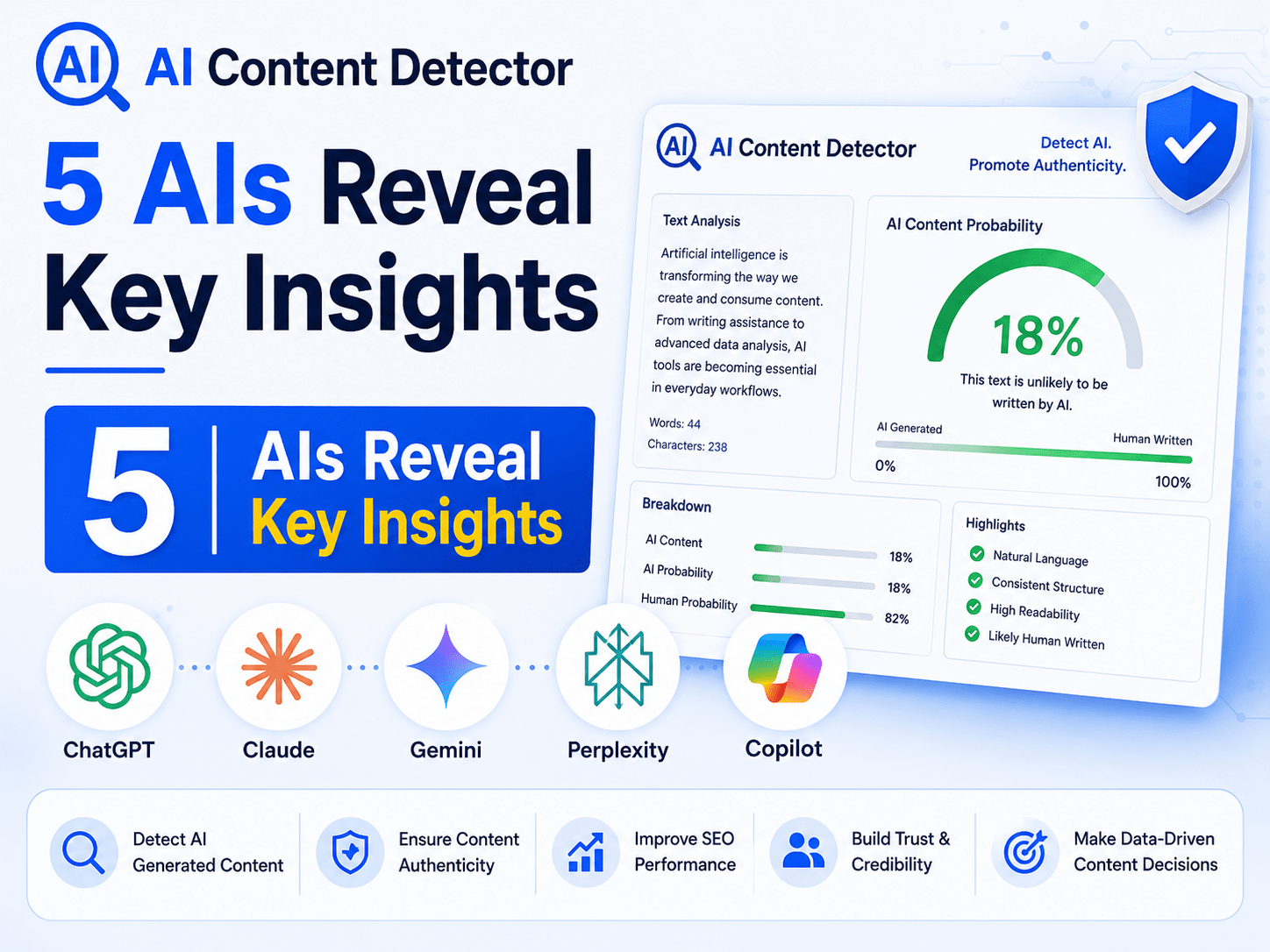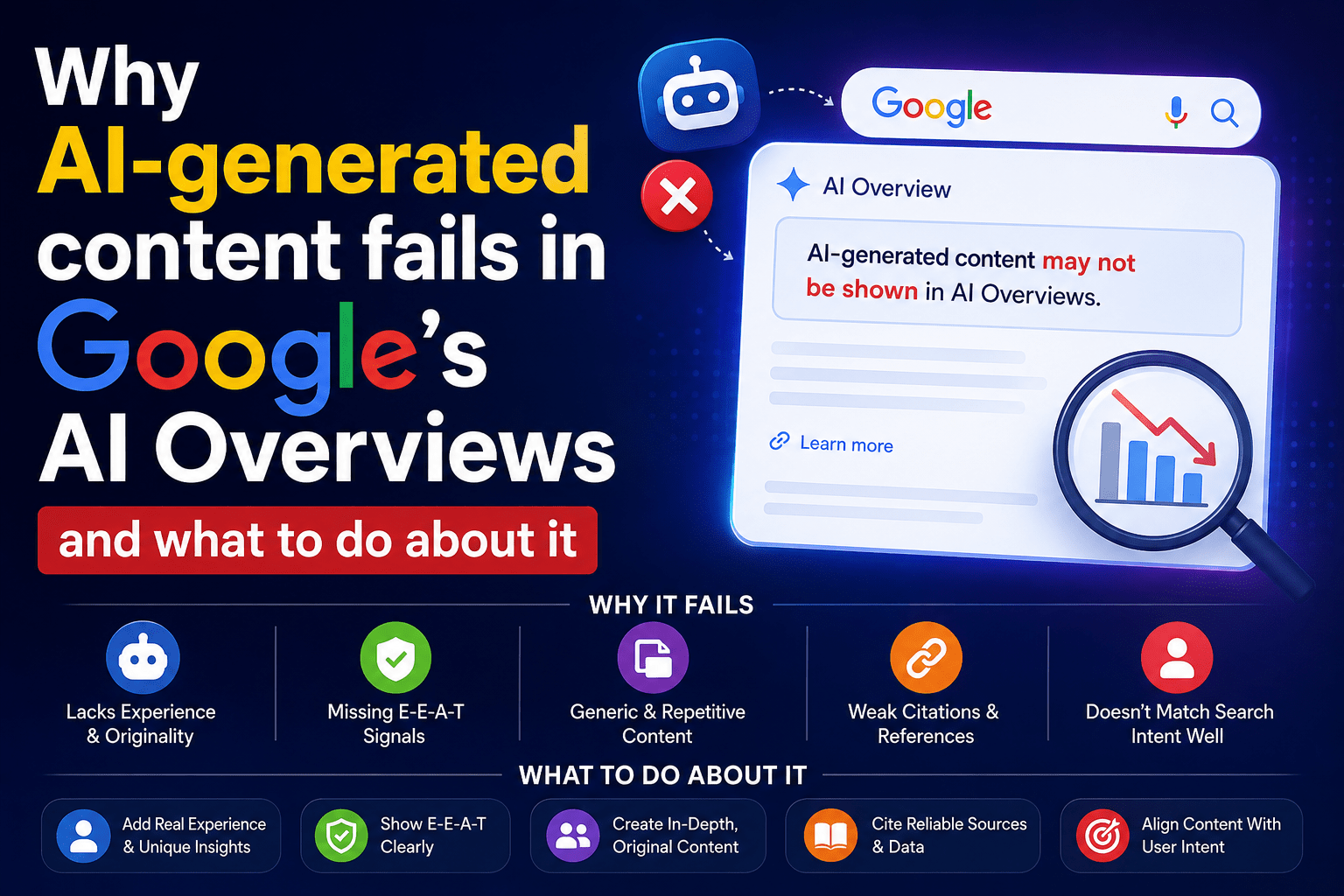

What do 5 leading AI models say about children protected AI influence? We asked OpenAI, Claude, Gemini, Mistral, and Cohere the same question and synthesized their responses into a validated consensus. Here’s what they agreed on—and where they differed.
In This Article:
This comprehensive analysis explores the future of child safety AI regulation through the lens of artificial intelligence. By examining perspectives from multiple AI systems, we provide a balanced view of how child safety AI regulation will evolve and what professionals need to know to stay ahead.
The Question Asked
Should children be protected from AI influence?
|
5
AI Models
|
63%
Avg Confidence
|
94
Champion Score
|
MODERATE
Agreement
|
What 5 Leading AI Models Say About Children Protected AI Influence
Should children be protected from AI influence? Five leading AI models reached 70% consensus on this question. According to <a href="https://www.unicef.org/globalinsight/featured-projects/ai-children" target="_blank" rel="noopener">UNICEF – AI and Children</a>, this area is seeing rapid transformation. <img src="https://seekrates-ai.com/wp-content/uploads/Post-banner.jpg" alt="children protected AI influence" style="width:100%; height:auto; margin: 15px 0;" />Vulnerability and Core Risks
Children require protection from AI influence due to their developmental vulnerability.
AI systems can expose children to inappropriate content, violate their privacy through data collection they don't understand, and manipulate them through misinformation or algorithmic bias. Their cognitive and emotional immaturity makes them particularly susceptible to these harms, creating a clear need for protective measures that adults may not require to the same degree.
Protective Strategies and Implementation
Effective protection requires a multi-layered approach combining technological and educational solutions. Parental controls and content filtering provide immediate safeguards, while digital literacy education empowers children to develop critical thinking skills for long-term protection. Age-appropriate AI applications designed specifically for children, with built-in safety features and transparent operation, should be prioritized.
These measures must be implemented collaboratively by parents, educators, and technology developers. Balanced Approach to AI Benefits
Protection does not mean complete isolation from AI technology. When properly designed and supervised, AI can offer significant benefits including personalized learning through educational assistants, enhanced creativity tools, and emotional support for vulnerable children.
The goal is not to eliminate AI influence but to create frameworks that maximize developmental benefits while minimizing risks through ongoing research, adaptive regulation, and evidence-based guidelines that evolve with rapidly changing AI capabilities.
🎯 5 Key Insights from 5 AI Models
- ✔ Vulnerability and Core Risks
Children require protection from AI influence due to their developmental vulnerability. - ✔ AI systems can expose children to inappropriate content, violate their privacy through data collection they don't understand, and manipulate them through misinformation or algorithmic bias.
- ✔ Their cognitive and emotional immaturity makes them particularly susceptible to these harms, creating a clear need for protective measures that adults may not require to the same degree.
- ✔ Protective Strategies and Implementation
Effective protection requires a multi-layered approach combining technological and educational solutions. - ✔ Parental controls and content filtering provide immediate safeguards, while digital literacy education empowers children to develop critical thinking skills for long-term protection.
🏆 What OPENAI Says About Children Protected Ai Influence
Highest-scoring response (Score: 94)
The influence of AI on children is a complex and important topic that raises several considerations regarding safety, development, and ethical usage. Here are some strategic insights on how to approach the protection of children from potentially harmful AI influences:
### 1. Understanding the Risks
– Exposure to Inappropriate Content: AI can inadvertently expose children to harmful or inappropriate content, including violence, explicit material, or misinformation.
– Privacy Concerns: Children may not fully understand the implications of sharing personal information, leading to potential privacy violations.
– Manipulation and Misinformation: AI could promote misleading information or manipulative tactics, impacting children’s ability to discern fact from fiction.
### 2. Strategies for Protection
– Parental Controls: Utilizing software that filters and monitors online activity can help mitigate exposure to inappropriate content.
– Education: Teaching critical thinking skills and digital literacy can empower children to better navigate AI interactions, recognizing when they’re being misled or manipulated.
– Age-Appropriate Content: Encourage the use of AI applications specifically designed for children, which prioritize safety and adhere to age-appropriate content guidelines.
### 3. Ethical AI Development
– Transparency: AI developers should prioritize transparency regarding how AI models work, what data they use, and how they make decisions that can impact children.
– Bias Mitigation: Continuous efforts should be made to identify and eliminate biases in AI systems that might reinforce negative stereotypes or provide misleading information to children.
### 4. Collaborative Efforts
– Involve Stakeholders: Parents, educators, and child psychologists should collaborate with AI developers to create frameworks that prioritize child safety.
– Regulation and Guidelines: Advocating for regulatory frameworks that ensure AI technologies prioritize the well-being of children can help set industry standards.
### 5. Ongoing Evaluation
– Monitoring Impacts: Regular research into the effects of AI on children’s development is crucial to adapting and evolving safety measures in response to new findings.
– Feedback Mechanisms: Establish systems where parents, children, and educators can report concerns regarding AI interactions, feeding back into the system for continuous improvement.
### Conclusion
Protecting children from AI influence is a multi-faceted effort involving education, technological safeguards, ethical practices in AI development, and collaborative regulation. By focusing on these areas, we can create a safer environment in which children can interact with AI technologies responsibly.
Discussions around this topic are crucial and should continually evolve as technology advances.
THE METHODOLOGY BEHIND 200+ ARTICLES
💡 Why Children Protected Ai Influence Matters
When multiple AI models reach 70% agreement, it signals a high-confidence answer backed by diverse training data and reasoning approaches. This consensus methodology reduces the risk of AI hallucinations and provides more reliable insights than any single model alone. Understanding the future of child safety AI regulation is essential for professionals planning their careers and organizations developing their strategies. According to the UNICEF – AI and Children, staying informed about emerging trends is critical for success.
“70% of AI models reached consensus on this technology question.”
🚀 Next Steps for Children Protected Ai Influence
Ready to explore more questions about children protected AI influence and child safety AI regulation? Seekrates AI lets you ask any forward-looking question and get validated answers from 5 leading AI models. Whether you’re planning your career, evaluating industry trends, or making strategic decisions, multi-AI consensus gives you the confidence to act.
🏆 Champion Agent: OPENAI (Score: 94)
Explore more Technology insights from Seekrates AI →
About This Analysis: Generated using Seekrates AI, which queries 5 leading AI models and synthesizes their responses. The 70% agreement score reflects model alignment on the core answer.
Champion: OPENAI | Category: Technology | Published: February 22, 2026
Topics: AI consensus, Technology, Artificial Intelligence, Children, Protected