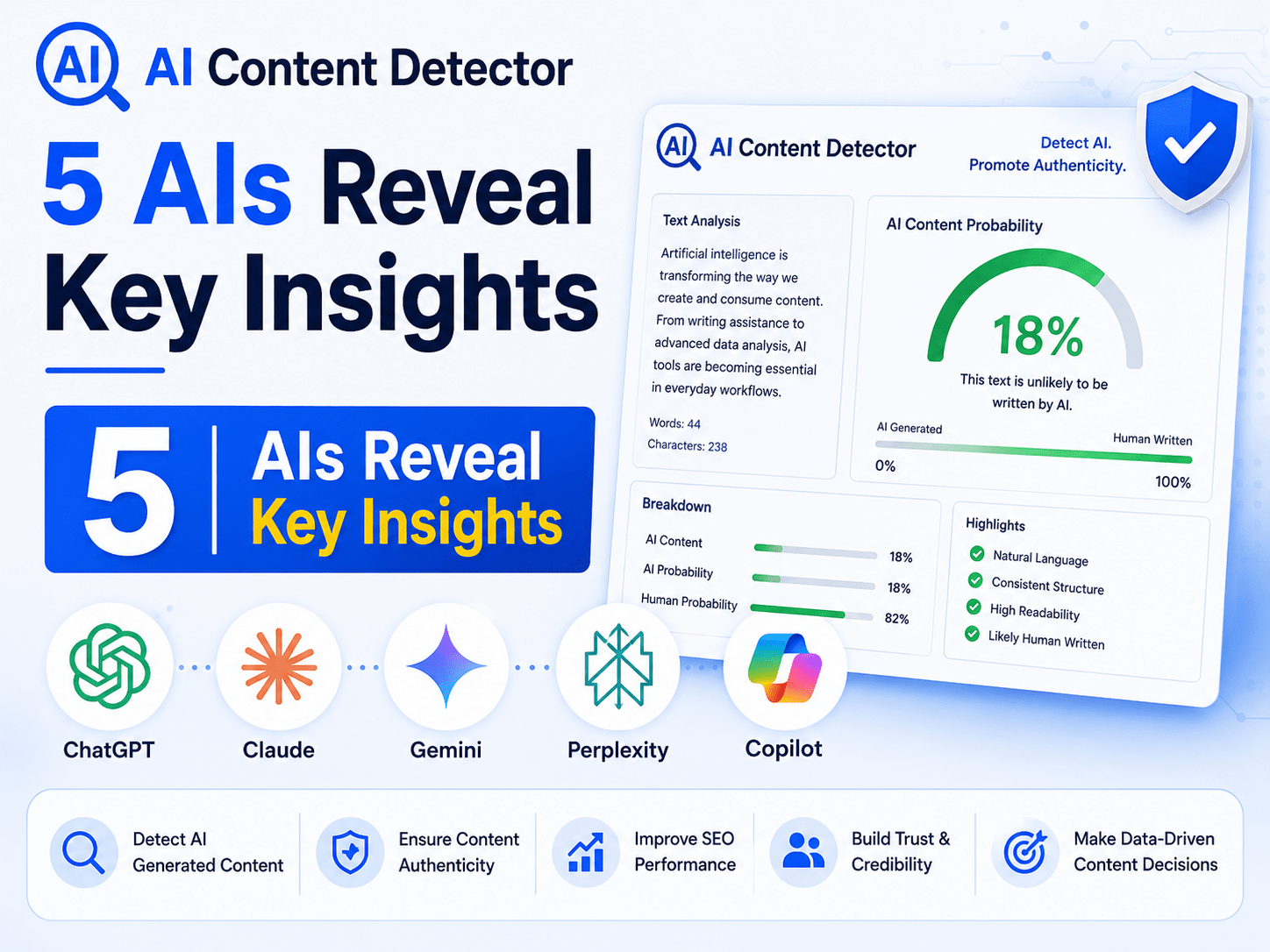

What do 5 leading AI models say about retail career future? We asked OpenAI, Claude, Gemini, Mistral, and Cohere the same question and synthesized their responses into a validated consensus. Here’s what they agreed on—and where they differed.
This comprehensive analysis explores the future of retail through the lens of artificial intelligence. By examining perspectives from multiple AI systems, we provide a balanced view of how retail will evolve and what professionals need to know to stay ahead.
The Question Asked
How can retail workers transition to omnichannel experience specialist careers?
|
5
AI Models
|
62%
Avg Confidence
|
90
Champion Score
|
HIGH
Agreement
|
What Is the AI Consensus on Retail Career Future?
Retail workers can successfully transition to omnichannel experience specialist careers by leveraging their existing customer service expertise while systematically developing three critical skill areas: digital fluency (e-commerce platforms, CRM systems, analytics tools like Google Analytics), data analysis capabilities (customer behavior interpretation, journey optimization), and cross-channel coordination skills.
The transition pathway involves enrolling in online courses and certifications focused on digital marketing and customer experience management, gaining hands-on experience with retail technology systems, and developing proficiency in both technical tools and customer-centric design thinking. Success requires combining retail workers' natural strengths—product knowledge, communication abilities, and problem-solving skills—with new competencies in technology implementation, process optimization, and collaborative cross-functional work.
Practical steps include volunteering for e-commerce or digital projects within current roles, networking at industry events, seeking mentorship from omnichannel professionals, and building a portfolio demonstrating both analytical capabilities and customer experience improvements. This approach positions retail workers for emerging roles such as digital marketing coordinators, unified commerce specialists, clienteling associates, and omnichannel operations analysts.
🎯 5 Key Insights from 5 AI Models
- ✔ Retail workers can successfully transition to omnichannel experience specialist careers by leveraging their existing customer service expertise while systematically developing three critical skill areas: digital fluency (e-commerce platforms, CRM systems, analytics tools like Google Analytics), data analysis capabilities (customer…
- ✔ The transition pathway involves enrolling in online courses and certifications focused on digital marketing and customer experience management, gaining hands-on experience with retail technology systems, and developing proficiency in both technical tools and customer-centric design thinking.
- ✔ Success requires combining retail workers' natural strengths—product knowledge, communication abilities, and problem-solving skills—with new competencies in technology implementation, process optimization, and collaborative cross-functional work.
- ✔ Practical steps include volunteering for e-commerce or digital projects within current roles, networking at industry events, seeking mentorship from omnichannel professionals, and building a portfolio demonstrating both analytical capabilities and customer experience improvements.
- ✔ This approach positions retail workers for emerging roles such as digital marketing coordinators, unified commerce specialists, clienteling associates, and omnichannel operations analysts.
THE METHODOLOGY BEHIND 200+ ARTICLES
🤖 What Each AI Model Said
Here’s the detailed reasoning from each AI model. This transparency lets you see exactly how different AI systems approached the question about retail career future.
**Retail Workers Transitioning to Omnichannel Experience Specialist Careers**
**Executive Summary**
The rise of e-commerce and omnichannel retail presents both challenges and opportunities for retail workers. While some traditional in-store roles may decline, the growing demand for omnichannel customer experience specialists creates a promising career path for adaptable retail employees. By developing key skills in digital marketing, data analytics, and unified commerce, retail workers can position themselves for rewarding roles as omnichannel experience specialists.
**Emerging Omnichannel Specialist Roles**
The omnichannel retail landscape is driving demand for roles such as:
– **Digital Marketing Coordinator**: Manage social media, email campaigns, and website content to drive online engagement and sales.
– **Omnichannel Operations Analyst**: Use data analytics to optimize inventory management, fulfillment, and cross-channel customer journeys.
– **Unified Commerce Specialist**: Implement and maintain integrated point-of-sale, CRM, and order management systems.
– **Clienteling Associate**: Provide personalized, high-touch service by leveraging customer data and digital tools.
**Key Skills to Develop**
To transition into these roles, retail workers should focus on developing skills in:
– **Digital Fluency**: Comfort with e-commerce platforms, social media, and marketing automation tools.
– **Data Analysis**: Ability to extract insights from sales, inventory, and customer data.
– **Process Optimization**: Understanding of omnichannel workflows and opportunities for efficiency gains.
– **Technology Implementation**: Familiarity with retail technology systems and change management.
– **Customer-Centricity**: Strong interpersonal and consultative skills to deliver exceptional omnichannel experiences.
**Pathways and Resources**
Retail workers can pursue the following development paths:
– **Online Courses**: Enroll in digital marketing, data analytics, or retail technology programs.
– **Employer-Sponsored Training**: Seek internal upskilling opportunities with current employer.
– **Industry Certifications**: Earn credentials like Certified Digital Marketing Professional or Retail Industry Certified Associate.
– **Informational Interviews**: Connect with omnichannel specialists to understand role requirements.
**Conclusion**
While the retail landscape continues to evolve, the growth of omnichannel retailing presents an opportunity for resilient and adaptable retail workers. By proactively developing relevant digital, analytical, and customer experience skills, retail employees can position themselves for fulfilling careers as omnichannel experience specialists.
*Disclaimer: This response provides general career guidance and does not constitute personalized advice. Individuals should consult with career counselors, hiring managers, and industry professionals for role-specific requirements and application support.*
## Transitioning Retail Workers to Omnichannel Experience Specialist Careers
The retail landscape is evolving rapidly, with omnichannel experiences becoming the norm. This shift creates new career opportunities, particularly for retail workers who possess valuable customer service and product knowledge. This analysis explores how retail workers can effectively transition to omnichannel experience specialist roles.
### Understanding the Omnichannel Experience Specialist Role
An omnichannel experience specialist focuses on creating seamless and consistent customer experiences across all touchpoints – online, in-store, mobile, and social media. This role involves:
* **Customer Interaction:** Engaging with customers across various channels, providing support, answering questions, and resolving issues.
* **Content Creation:** Developing engaging content for different platforms, including product descriptions, social media posts, and email marketing campaigns.
* **Data Analysis:** Analyzing customer data to identify trends, improve customer journeys, and personalize experiences.
* **Technology Proficiency:** Utilizing CRM systems, e-commerce platforms, and other digital tools to manage customer interactions and data.
* **Collaboration:** Working with marketing, sales, and IT teams to ensure a cohesive omnichannel strategy.
### Identifying Transferable Skills
Retail workers possess a wealth of transferable skills that are highly relevant to omnichannel roles:
* **Customer Service:** Direct customer interaction experience is crucial for understanding customer needs and providing effective support.
* **Product Knowledge:** In-depth knowledge of products and services allows for informed customer assistance and content creation.
* **Communication Skills:** Excellent communication, both verbal and written, is essential for engaging with customers across different channels.
* **Problem-Solving:** Resolving customer issues and addressing concerns in a timely and efficient manner.
* **Adaptability:** The ability to adapt to changing customer needs and technological advancements.
### Bridging the Skills Gap
While retail workers have a strong foundation, they may need to acquire additional skills to excel in omnichannel roles:
* **Digital Marketing:** Understanding of SEO, social media marketing, email marketing, and content marketing.
* **Data Analytics:** Basic knowledge of data analysis tools and techniques to interpret customer data and identify trends.
* **E-commerce Platforms:** Familiarity with e-commerce platforms like Shopify, Magento, or WooCommerce.
* **CRM Systems:** Proficiency in using CRM systems like Salesforce or HubSpot to manage customer interactions.
* **Technical Skills:** Basic understanding of HTML, CSS, and other web technologies can be beneficial for content creation and website management.
### Actionable Steps for Transitioning
1. **Identify Skill Gaps:** Assess current skills and identify areas where improvement is needed.
2. **Online Courses and Certifications:** Enroll in online courses and obtain certifications in digital marketing, data analytics, e-commerce, and CRM systems. Platforms like Coursera, Udemy, and LinkedIn Learning offer relevant courses.
3. **Volunteer or Freelance Work:** Gain practical experience by volunteering or freelancing in digital marketing or customer service roles.
4. **Networking:** Attend industry events and connect with professionals in the omnichannel space.
5. **Update Resume and LinkedIn Profile:** Highlight transferable skills and new qualifications on your resume and LinkedIn profile.
6. **Tailor Applications:** Customize applications for omnichannel roles, emphasizing relevant experience and skills.
7. **Practice Interview Skills:** Prepare for interviews by practicing common questions related to customer service, digital marketing, and data analysis.
### Potential Career Paths
* **Customer Service Representative (Omnichannel):** Providing customer support across various channels, including phone, email, chat, and social media.
* **Social Media Specialist:** Managing social media accounts, creating engaging content, and interacting with customers.
* **E-commerce Specialist:** Managing online product listings, optimizing website content, and analyzing sales data.
* **Marketing Coordinator:** Assisting with marketing campaigns, creating marketing materials, and analyzing campaign performance.
* **Customer Experience Analyst:** Analyzing customer data to identify trends, improve customer journeys, and personalize experiences.
### Challenges and Considerations
* **Competition:** The job market for omnichannel roles can be competitive, requiring continuous learning and skill development.
* **Technological Advancements:** Staying updated with the latest technological advancements in digital marketing and e-commerce.
* **Salary Expectations:** Entry-level omnichannel roles may have lower salaries compared to more experienced positions.
*Disclaimer: This information provides general career guidance and is based on current industry trends. Individual outcomes may vary depending on skills, experience, and job market conditions. Consult with a career counselor or industry professional for personalized advice.*
### **Transitioning to an Omnichannel Experience Specialist Career: A Strategic Guide**
The shift to omnichannel retail is accelerating, driven by consumer demand for seamless shopping experiences across digital and physical channels. Retail workers with strong customer service, technology, and data skills are well-positioned to transition into **Omnichannel Experience Specialist** roles. Below is a structured framework to guide your career pivot.
—
### **1. Understand the Role of an Omnichannel Experience Specialist**
**Core Responsibilities:**
– **Customer Journey Optimization:** Ensure consistency across online, in-store, and mobile experiences.
– **Data-Driven Insights:** Analyze customer behavior to improve engagement and conversions.
– **Technology Integration:** Manage CRM, POS, and digital tools (e.g., Shopify, Salesforce, Google Analytics).
– **Cross-Functional Collaboration:** Work with marketing, IT, and operations teams to align strategies.
**Key Skills Needed:**
✔ **Customer Experience (CX) Fundamentals** – Understanding touchpoints and pain points.
✔ **Digital & Data Literacy** – Familiarity with analytics tools (Google Analytics, Tableau).
✔ **Retail Operations Knowledge** – Inventory, logistics, and POS systems.
✔ **Communication & Collaboration** – Bridging gaps between teams.
—
### **2. Assess Your Current Skills & Gaps**
| **Current Retail Skills** | **Omnichannel Skills to Develop** |
|————————–|———————————-|
| Customer service | Data analysis (Google Analytics, CRM tools) |
| Sales & merchandising | Digital marketing (SEO, email automation) |
| Inventory management | UX/UI principles (basic) |
| Team collaboration | Project management (Agile, Scrum) |
**Action Step:**
– Take free courses (Google Analytics Academy, HubSpot Academy) to build digital skills.
– Volunteer for cross-departmental projects (e.g., helping with e-commerce launches).
—
### **3. Gain Experience Through Upskilling & Projects**
**Quick Wins:**
– **Shadow digital teams** (e-commerce, marketing) to learn their workflows.
– **Run a small omnichannel pilot** (e.g., syncing in-store promotions with online ads).
– **Certifications to Boost Credibility:**
– Google Analytics Certification
– Salesforce Trailhead (Retail & CX modules)
– HubSpot Content Marketing Certification
—
### **4. Network & Leverage Industry Trends**
– **Join retail & CX communities** (LinkedIn groups, Retail Week, NRF events).
– **Follow omnichannel leaders** (e.g., Target, Sephora, Best Buy case studies).
– **Highlight transferable skills** in interviews (e.g., "I improved in-store upsell rates by 20%—now I want to apply that to digital channels").
—
### **5. Apply Strategically**
**Job Titles to Target:**
– Omnichannel Experience Specialist
– Customer Experience (CX) Analyst
– Retail Digital Transformation Manager
– E-Commerce Operations Coordinator
**Tailor Your Resume:**
– Emphasize **cross-channel projects** (e.g., "Optimized loyalty program integration across web and app").
– Use **metrics** (e.g., "Increased online-to-offline conversions by 15%").
—
### **6. Future-Proof Your Career**
**Emerging Trends to Watch:**
– **AI & Personalization** (e.g., chatbots, dynamic pricing).
– **Augmented Reality (AR) in Retail** (virtual try-ons, in-store AR navigation).
– **Sustainability & Ethical Shopping** (transparency in supply chains).
**Final Tip:**
Omnichannel roles are **high-growth**—companies like Walmart, Amazon, and Nike are hiring aggressively. Position yourself as a **bridge between traditional retail and digital innovation**.
**Next Steps:**
1. **Audit your skills** against the job descriptions above.
2. **Start a small omnichannel project** at work (even if informal).
3. **Apply for hybrid roles** (e.g., "Retail + Digital" positions).
Would you like help crafting a personalized upskilling plan based on your current role?
To transition from a retail worker to an omnichannel experience specialist, consider the following steps:
**1. Understand Omnichannel Strategies:**
– Learn about the integration of online and offline retail channels.
– Familiarize yourself with customer journey mapping and seamless shopping experiences.
**2. Develop Digital Skills:**
– Enhance your digital literacy by learning about e-commerce platforms, CRM systems, and digital marketing.
– Gain proficiency in tools like Google Analytics, social media management platforms, and email marketing software.
**3. Customer Service Excellence:**
– Focus on providing exceptional customer service across all channels.
– Understand the importance of personalization and consistent branding in omnichannel environments.
**4. Analytical Skills:**
– Acquire skills in data analysis and interpretation to make informed decisions based on customer behavior and trends.
– Use data-driven insights to optimize the omnichannel experience.
**5. Communication and Collaboration:**
– Work on your communication skills to effectively coordinate with different teams and departments.
– Collaborate with marketing, sales, and IT teams to ensure a seamless omnichannel strategy implementation.
**6. Continuous Learning:**
– Stay updated on the latest trends and technologies in retail and e-commerce.
– Consider certifications or courses in omnichannel marketing or customer experience management.
**7. Networking and Professional Development:**
– Attend industry events, conferences, and workshops to expand your network and knowledge.
– Connect with professionals in the field and seek mentorship opportunities.
Remember, transitioning to an omnichannel experience specialist requires a blend of technical skills, customer-centric mindset, and a proactive approach to learning and development. Good luck on your career journey!
💡 Why show individual responses? Transparency builds trust. By showing exactly what each AI said, you can evaluate the reasoning yourself and understand where the consensus came from.
💡 Why Retail Career Future Matters
When multiple AI models reach 85% agreement, it signals a high-confidence answer backed by diverse training data and reasoning approaches. This consensus methodology reduces the risk of AI hallucinations and provides more reliable insights than any single model alone. Understanding the future of retail is essential for professionals planning their careers and organizations developing their strategies. According to the National Retail Federation, staying informed about emerging trends is critical for success.
“85% of AI models reached consensus on this Retail question.”
🚀 Next Steps for Retail Career Future
Ready to explore more questions about retail career future and retail? Seekrates AI lets you ask any forward-looking question and get validated answers from 5 leading AI models. Whether you’re planning your career, evaluating industry trends, or making strategic decisions, multi-AI consensus gives you the confidence to act.
🏆 Champion Agent: OPENAI (Score: 90)
Ask YOUR Question to 5 AIs
Get validated, multi-perspective answers on careers, industries, technology, and life decisions.
About This Analysis: Generated using Seekrates AI, which queries 5 leading AI models and synthesizes their responses. The 85% agreement score reflects model alignment on the core answer.
Champion: OPENAI | Category: Retail | Published: January 22, 2026
Topics: AI consensus, Retail, Artificial Intelligence, Workers